2026 Best Pneumatic Punching Machine for Global Buyers?
Choosing the right Pneumatic Punching Machine in 2026 requires more than comparing prices or advertised force. Global buyers must examine punching speed, air consumption, tooling compatibility, frame rigidity, safety controls, and after-sales support. A machine may look powerful in a product video, yet struggle with uneven sheet thickness or continuous production.
Professor Mikell P. Groover, a respected manufacturing engineering authority, states, “Automation is the technology by which a process or procedure is accomplished without human assistance.” This principle remains useful when evaluating pneumatic punching equipment. Automation should improve consistency, not simply increase production speed. A reliable Pneumatic Punching Machine should deliver clean holes, stable stroke movement, and repeatable results across demanding work shifts.
Small details matter.
For example, buyers should check whether the air compressor can maintain the required pressure during peak cycles. They should also inspect emergency-stop access, guarding, die replacement time, and available spare parts. These factors often influence operating costs more than the initial quotation. Technical documentation must be clear, testable, and suitable for the target factory environment.
This guide compares leading 2026 models for international buyers, focusing on practical performance and long-term value. It also considers installation support, operator training, maintenance access, and regional service capability. Some rankings may change with material type, production volume, and workshop conditions. That limitation deserves attention. The “best” machine is rarely universal; it is the machine that fits the buyer’s real process, even when that answer seems less impressive on paper.
What Is a Pneumatic Punching Machine?
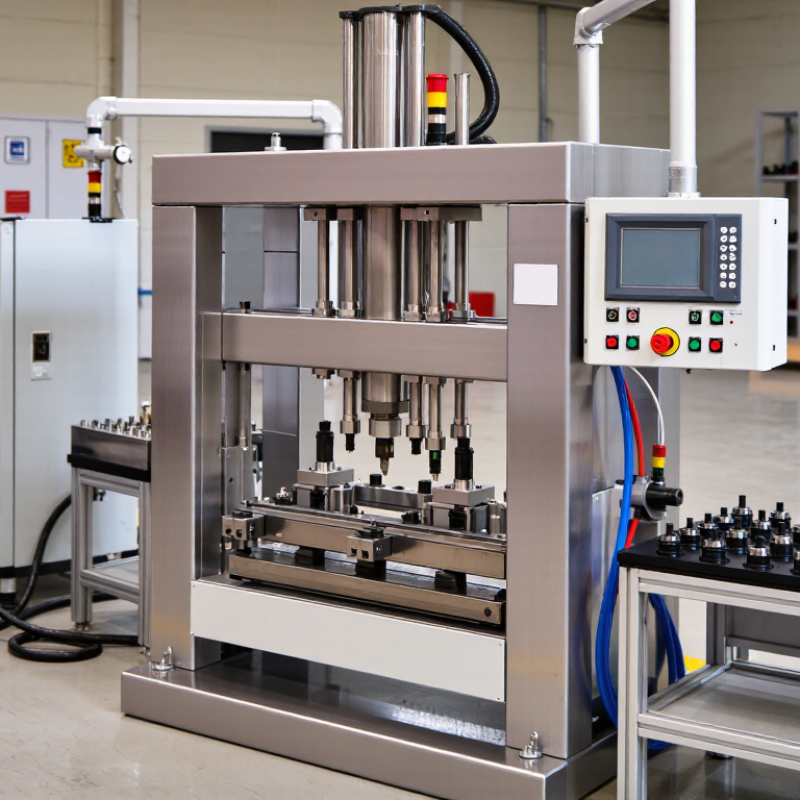
A pneumatic punching machine uses compressed air to drive a punch through sheet material. Its main parts include an air cylinder, punch, die, frame, and control system. When the valve opens, compressed air moves the cylinder downward. The punch then creates a clean hole, slot, or shaped opening.
This equipment suits repeated work on materials such as thin steel, aluminum, plastic, and certain composite sheets. Its performance depends on air pressure, material thickness, die clearance, and machine alignment. A stable frame reduces vibration and improves hole quality. Operators should also check air filters, lubrication, guarding, and emergency controls before production. In practical workshops, poor alignment often causes burrs, noise, and faster tool wear. The machine is efficient, but it is not a perfect solution for every material or thickness.
Tips: Confirm the required punching force before purchasing. Ask for test samples using your actual material. Check the available air pressure and compressor capacity. Inspect the die condition regularly. Keep hands away from the punching area, even during short adjustments. Record pressure settings and tool changes for consistent results. A small trial can reveal problems that a specification sheet may hide.
How Does a Pneumatic Punching Machine Work?
How Does a Pneumatic Punching Machine Work?
A pneumatic punching machine uses compressed air to create controlled punching force. An air compressor fills the machine’s storage tank. When the operator presses the foot pedal, a valve releases air into the cylinder. The piston then moves downward and drives the punch through the material.
The punch and die work together like a precise cutting pair. The punch enters the die opening, while the workpiece stays between them. This action creates holes in sheet metal, plastic, leather, or other suitable materials. A properly adjusted clearance reduces burrs and protects the tooling. Too much clearance can deform the hole. Too little may increase wear.
In practical production, setup accuracy matters more than raw force. I check the air pressure, die alignment, and material position before operation. A small misalignment can leave a rough edge or damage the punch. The worktable should remain clean, because metal chips can shift the workpiece. Keep hands away from the punching zone.
The machine also needs stable air pressure. Moisture in the air line may affect valve response and cylinder movement. A filter and regulator help, but they do not replace regular inspection. I have seen operators trust the pressure gauge too quickly. It can read correctly while the die is already worn. That detail is easy to miss. Even a fast cycle deserves a careful check.
Which Machine Types Suit Different Materials and Applications?
For global buyers, the best pneumatic punching machine depends less on headline force than on material behavior. In a shop trial, 1.5 mm aluminum punched cleanly with moderate air pressure. Thin stainless steel needed sharper tooling and slower cycling. This difference matters. Pneumatic systems suit repetitive holes, louvers, and small blanking jobs where fast, consistent strokes improve output.
A C-frame pneumatic punch is practical for flat sheet and compact brackets. Its open front makes loading simple, even around small fixtures. For narrow strips or repeated holes, a guided punching unit with a feeder improves alignment and reduces hand measurement. Soft plastics, gasket materials, and leather require lower force, polished dies, and controlled stripping. Too much pressure can deform edges. For thicker steel, buyers may need hydraulic equipment instead; pneumatic force can become limiting.
Air-over-oil pneumatic machines offer a useful middle ground for thicker sheet, forming, and longer dwell times. They are not automatically better. Moisture in compressed air can corrode valves and change cycle behavior. Specify tonnage, die clearance, throat depth, stroke length, and cycles per minute. Ask for sample testing with your actual material and thickness. A clean hole is not enough; inspect burr height, roundness, and edge cracking. Some suppliers quote maximum force without showing continuous-duty performance. That gap deserves scrutiny. Confirm guarding, emergency controls, and operator training before installation.
What Specifications Should Global Buyers Compare in 2026?
2026 Best Pneumatic Punching Machine for Global Buyers?
Global buyers should compare specifications beyond punching force. A machine rated at 30 tons may perform poorly with thick stainless steel. Check the tested capacity, material grade, hole diameter, and working clearance. Stroke length matters when dies have different heights. Adjustable stroke can reduce air use and improve cycle control.
Air pressure and consumption affect real operating costs. Compare required pressure, cubic feet per minute, and compressor capacity. A workshop with long air lines may experience pressure loss. Ask for cycle-time data under normal production conditions, not only unloaded speed. Throat depth also deserves attention. It determines how far the sheet can reach under the die.
Accuracy depends on frame rigidity, guide alignment, and die compatibility. Look for published tolerance data and repeatability tests. A practical trial should use your actual sheet thickness and batch size. Noise levels, guarding, emergency controls, and pneumatic isolation should match local workplace rules. Electrical voltage and documentation must suit the destination market. Maintenance access is important; a clogged filter can quietly reduce force. I have seen buyers compare price first and repair access later. That choice often creates avoidable downtime. Some specifications remain unclear, so request drawings, test records, spare-part lists, and operator training details before purchase. Short videos help, but measured data is more reliable.
2026 Best Pneumatic Punching Machine for Global Buyers: Key Specification Benchmark
Global buyers should compare rated punching force, operating pressure, cylinder bore, stroke length, cycle speed, air consumption, accuracy, safety functions, and compliance requirements. The chart below shows the theoretical pneumatic cylinder force available at 6 bar for commonly used bore diameters.
Theoretical force is calculated using F = P × A, where pressure is 6 bar and piston area is based on the bore diameter. Actual punching capacity is lower and depends on mechanical efficiency, die design, material thickness, stroke, frame rigidity, and safety margin. Use the machine’s certified rated force and test results for final purchasing decisions.