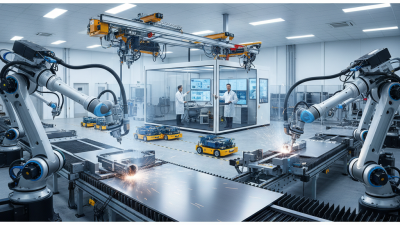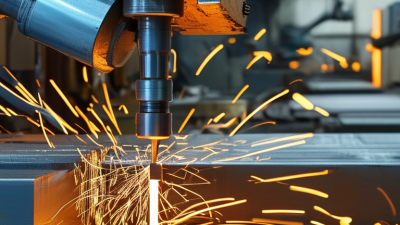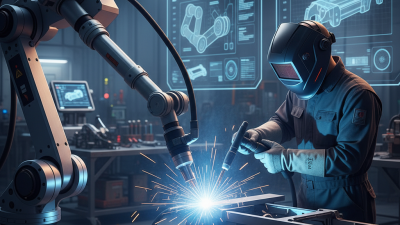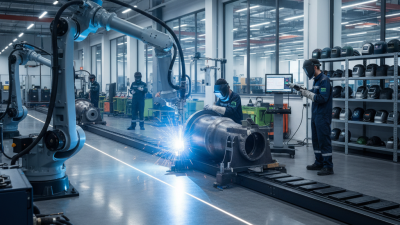
Choosing the right plasma cutting technology can shape production quality, operating costs, and delivery reliability. Global buyers need more than impressive specifications. They need equipment that performs consistently on real factory floors, under changing workloads and material conditions.
In practical use, a dependable plasma system should produce clean edges on steel, stainless steel, and aluminum. Cutting speed matters, but arc stability often matters more. A machine may advertise high power, yet poor airflow can cause uneven cuts, excess dross, and shorter consumable life. Experienced operators check kerf width, pierce performance, torch height control, and maintenance access before approving a purchase. Small details matter.
They matter greatly.
Professional evaluation also includes power compatibility, software usability, replacement-part availability, and technical support. Buyers should request sample cuts using their actual material thicknesses. A polished demonstration can hide limitations. That is worth remembering. Suppliers with documented testing, clear warranties, traceable components, and responsive service usually offer stronger long-term value. However, no technology suits every workshop. Automated CNC plasma tables may improve repeatability, while compact handheld systems can serve repair teams and smaller fabricators more effectively. The cheapest option may become expensive after frequent downtime and consumable waste.
This guide examines leading plasma cutting technology for global buyers through performance, reliability, safety, and total ownership cost. It also considers an imperfect reality: published data does not always reflect daily production. Careful comparison, practical testing, and honest supplier communication remain essential for a confident investment.
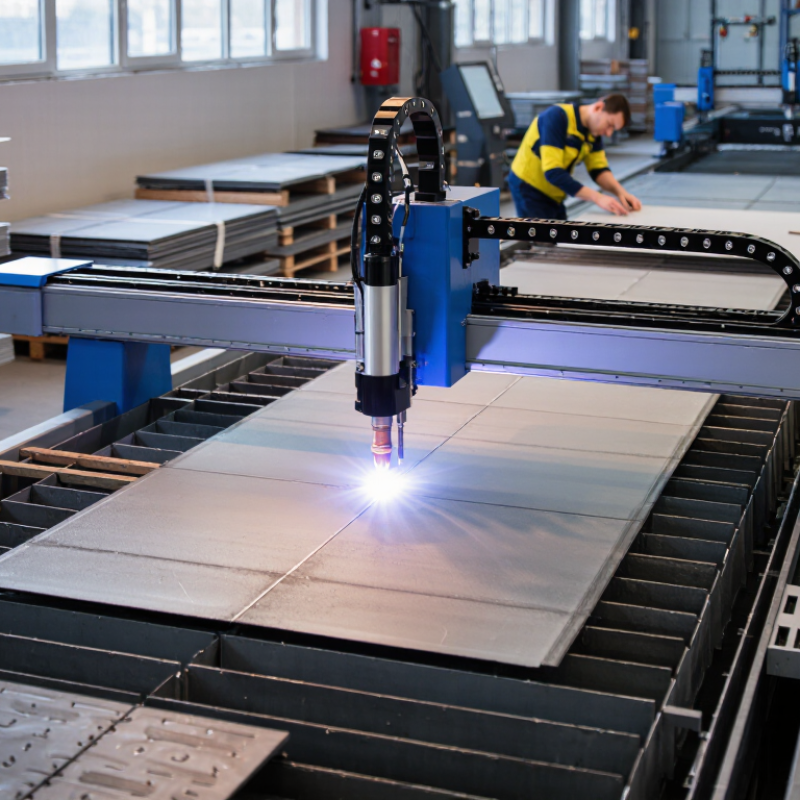
Plasma cutting uses an electric arc to ionize gas into a high-temperature plasma jet. The jet melts metal, while compressed gas removes the molten material. Cutting speed depends on amperage, material thickness, gas pressure, and torch height. A power supply controls arc stability and output current. The torch contains an electrode, nozzle, swirl ring, and shield cap. The CNC controller manages motion and cutting paths. Small component changes can affect edge quality significantly.
Shop-floor experience shows that clean air improves consumable life and arc consistency. Moisture can damage performance. Ventilation also matters because cutting produces fumes and fine particles. World Steel Association reported 1,888.2 million tonnes of crude steel production in 2023. That volume supports continuing demand for efficient metal-processing equipment. However, steel output does not predict every buyer’s needs. Market estimates are not purchase instructions.
The process may use air, oxygen, nitrogen, or mixed gases. Each option changes cut speed, oxidation, kerf shape, and operating cost. Thin sheet often favors high-speed settings, while thick plate needs stronger current and slower travel. A height-control system helps maintain the correct torch-to-work distance. Poor grounding can create unstable arcs. One assumption deserves review: maximum amperage does not always produce the best cut. Buyers should compare duty cycle, consumable availability, fume control, service documentation, and tested performance on their actual materials.
Comparing plasma cutting systems requires more than checking amperage. Buyers should match rated capacity with real production needs. A machine cutting 12 mm steel occasionally may perform poorly on continuous 12 mm work. Test the thickest common material, not only the advertised maximum. Cut quality depends on arc stability, travel speed, kerf width, and edge angle. Examine sample parts under bright light. Small bevels can become costly during welding or assembly.
Duty cycle deserves close attention. A high output rating means little if thermal protection interrupts long cuts. Ask for performance data at the intended voltage and material thickness. Power quality also matters, especially in facilities with unstable electrical supply. Clean, dry compressed air protects consumables and supports consistent arcs. Moisture can create rough edges and premature electrode wear. It is an easy detail to overlook.
Consumable life affects operating cost more than many quotations show. Compare nozzle replacement intervals, piercing capability, and maintenance access. CNC compatibility, height control, and nesting software can improve material utilization. However, advanced controls do not correct poor setup. Operators still need practical training. Independent cutting trials are useful, though one test cannot represent every alloy or condition. A reasonable evaluation records cut speed, dross, downtime, noise, and electricity use. The cheapest system may still be expensive when production slows.
Top Plasma Cutting Technology for Global Buyers
Choosing a plasma cutter starts with the metal, not the advertised amperage. Mild steel cuts easily, while aluminum demands stable arc control and clean air. Stainless steel often exposes poor torch height settings through dross and uneven edges. The 2024 World Steel Association outlook projected global steel demand at about 1.75 billion tonnes, showing why steel remains central to fabrication worldwide. Yet production volume alone should not dictate equipment selection.
Match rated capacity to real thickness. A machine marketed for 25 mm steel may deliver its best finish closer to 16–20 mm. For thin sheet, select precise low-amperage control to reduce warping. For 12 mm plate, prioritize duty cycle, airflow, and pierce performance. ISO 9013:2017 classifies thermal-cut edge quality from Class 1 to Class 5. Ask suppliers which quality class their test samples achieve, and under what speed and gas conditions. Small details matter.
Applications change the decision. A workshop cutting brackets needs portability and quick setup. A fabrication line needs automation interfaces, repeatable height control, and documented consumable life. The U.S. Department of Labor continues to identify welding and cutting as occupations requiring strong exposure controls, so fume extraction and eye protection belong in the purchasing plan. I would not trust one sample cut. Test the actual alloy, thickness, and bevel angle. Buyers sometimes choose maximum power and regret the air system later. That mistake is common.
Typical productive cutting thickness by metal and plasma current. Actual performance depends on material grade, torch height, consumables, cutting speed, and machine settings.
Thickness values are shown in millimeters and represent practical working ranges rather than maximum severance capacity. Mild steel generally allows the highest cutting productivity, while stainless steel, aluminum, and copper require more heat control and optimized settings.
Automation improves plasma cutting consistency, but it should not replace skilled oversight. Buyers should assess torch height control, automatic nesting, and programmable cutting paths. These features reduce material waste and operator fatigue. However, poorly configured software can repeat the same mistake across every sheet. Test sample files before approving full production.
Safety requirements vary between countries and workplaces. Confirm electrical compatibility, guarding, ventilation, and emergency-stop design with qualified local professionals. Fume extraction needs enough capacity for the chosen material and cutting current. Keep cables protected from heat, sparks, and sharp edges. Operators need practical training, clear procedures, and suitable protective equipment. Safety cannot depend on assumptions.
Maintenance begins with daily observation. Check torch components, air quality, grounding, and cable connections before cutting. Moisture in compressed air can damage consumables and create unstable arcs. Replace worn parts according to measured performance, not appearance alone. Keep service records with dates, faults, and corrective actions. We have found that simple records often reveal recurring problems earlier than expensive inspections. Still, every workshop has different dust, humidity, and workload conditions. A maintenance schedule may need revision after real production experience. Leave access around the machine for cleaning and inspection. Small details matter.
International buyers should evaluate plasma cutting systems through documented performance, not impressive claims. Check cutting capacity, torch design, duty cycle, power requirements, and consumable availability. A machine rated for thick steel may cut slowly at that thickness. Ask for sample results on your actual material, including edge quality, bevel angle, and pierce time. Supplier documentation should identify testing methods, electrical specifications, safety features, and applicable market requirements.
Total cost extends beyond the purchase price. Include freight, import fees, installation, operator training, replacement torches, electrodes, and expected energy use. Request a clear warranty scope and realistic response times for technical support. Suppliers should provide traceable quality records and consistent production evidence. An online demonstration is useful, but it cannot replace an independently checked sample. No evaluation model is perfect. Overlooking local service capacity can become an expensive mistake.
Tips: Compare at least three written quotations. Use the same material and thickness for every trial. Verify voltage compatibility before ordering. Ask how quickly common consumables can arrive in your region. Review payment terms carefully, especially when delivery milestones are unclear. Keep a scoring sheet for price, cut quality, documentation, training, and support. Cheap equipment may reduce initial spending, but unstable output can increase waste and labor costs. Some buyers focus too heavily on automation. For occasional production, simpler controls may offer better value.