What is Automated Fabrication Technology and How Does it Work?
Automated fabrication technology is reshaping industries worldwide. This innovation streamlines production processes and enhances precision. Dr. Emily Carter, a leading expert in the field, states, “Automated fabrication technology revolutionizes the way we think about manufacturing.” Her insights shed light on the profound impact of this technology.
The essence of automated fabrication technology lies in its ability to reduce human error and increase efficiency. Machines perform tasks that once required manual labor. This shift allows businesses to optimize resources and improve output. However, this technology is not without limitations. Implementing and maintaining automated systems can be costly and complex.
Moreover, the rise of automated fabrication invites questions about job displacement. While it creates new roles in tech and engineering, many traditional positions face obsolescence. These challenges require careful consideration as industries embrace automated solutions. Balancing innovation with social responsibility will be vital for a sustainable future.
Definition of Automated Fabrication Technology
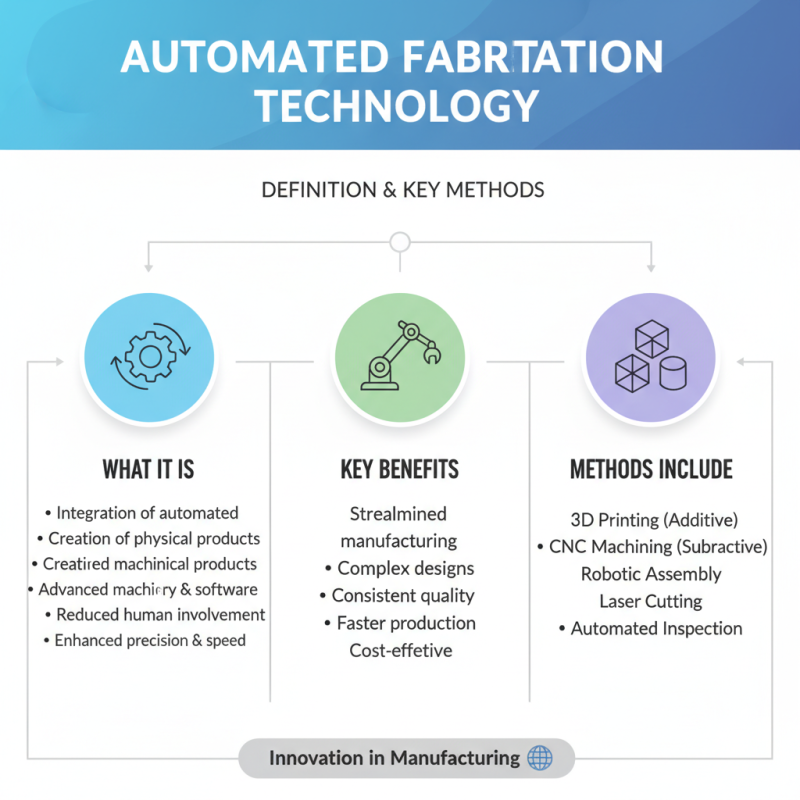
Automated Fabrication Technology (AFT) refers to the integration of various automated processes in the creation of physical products. This technology employs advanced machinery and software to streamline manufacturing tasks. It significantly reduces human involvement, enhancing precision and speed. AFT encompasses methods like 3D printing, CNC machining, and robotic assembly. These technologies enable the production of intricate designs that traditional methods may not easily achieve.
One notable aspect of AFT is its versatility. It can be applied across industries, from aerospace to healthcare. However, challenges persist. For instance, not all materials are suitable for automated processes. Additionally, the initial cost of implementing AFT can be a barrier for smaller businesses. Those who wish to adopt this technology need to weigh its advantages against potential downsides. Understanding these intricacies helps in making informed decisions about its application.
AFT also raises questions regarding the future of employment in manufacturing. While it increases efficiency, it may displace jobs traditionally held by skilled workers. This shift prompts a reevaluation of workforce training and education. Ensuring that employees can adapt to evolving technologies becomes crucial as AFT continues to develop. Balancing automation with human skills will shape the landscape of modern manufacturing.
Key Components of Automated Fabrication Systems
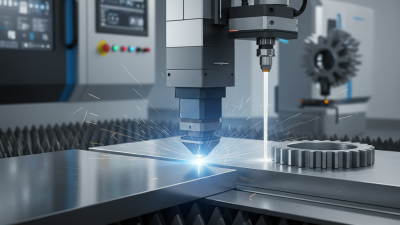
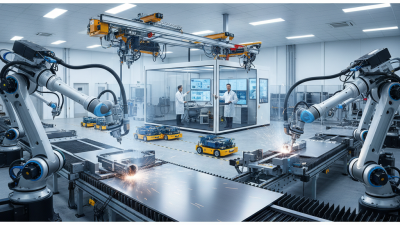
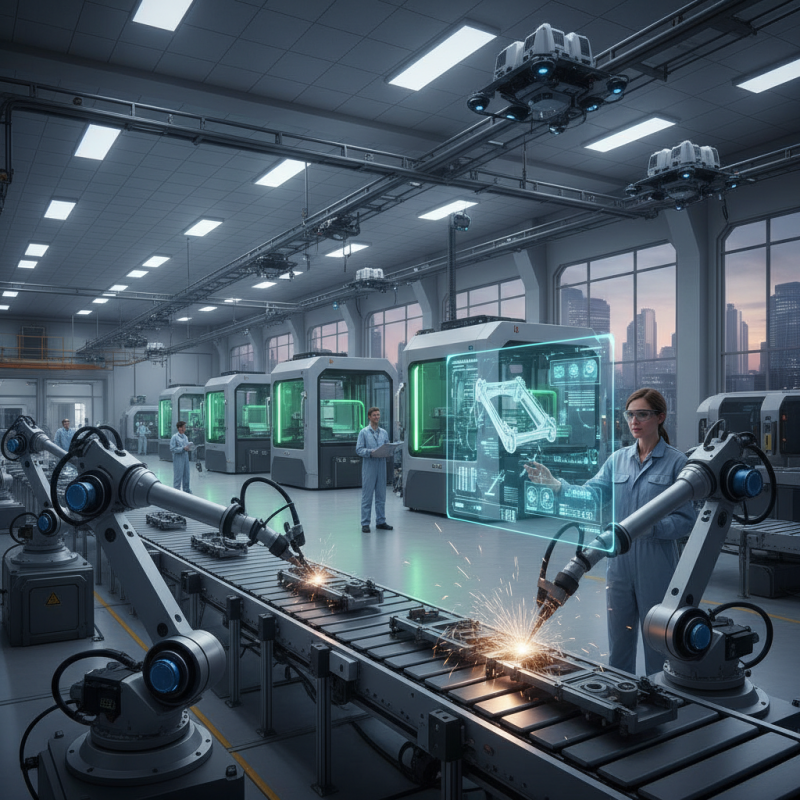
Automated fabrication technology integrates several key components to enhance manufacturing efficiency. Central to these systems are advanced robotics that perform precise tasks like cutting, welding, and assembly. These robotic systems are programmed to handle complex operations, ensuring high accuracy and repeatability. Their ability to work tirelessly increases productivity while minimizing human error.
Another critical element is the software that drives automation. This software manages workflows, coordinates machine activities, and optimizes production schedules. Users often struggle with software integration, which can lead to workflow disruptions. Effective training is essential but often overlooked. The learning curve can intimidate teams, making adoption challenging.
Lastly, sensors and IoT devices provide real-time data. This data enables monitoring of machine performance and product quality. However, the dependence on technology may also pose challenges. Machines require maintenance, and sensor failures can disrupt production. Reflecting on these aspects can guide improvement and adaptation in the use of automated fabrication systems.
How Automated Fabrication Works: Processes and Techniques
Automated fabrication technology integrates advanced software and machinery to streamline production processes. This technology encompasses a range of methods, including 3D printing, CNC machining, and robotic assembly. Each of these processes transforms raw materials into finished products with remarkable precision. For instance, a report from Smith and Associates highlights that automation in fabrication can reduce production time by 30% compared to traditional methods.
In 3D printing, layers of material are added one at a time. This technique allows for complex designs that are difficult to achieve through conventional machining. According to a study by Fabtech Insights, over 45% of manufacturers report improved design flexibility when they utilize automated fabrication processes. However, it's important to note that not every product benefits from these methods. Risks include potential flaws in the design or material that may go undetected during production.
CNC machining employs computer-controlled tools to cut and shape materials. The precision of CNC machines offers accuracy within a few microns, making them essential in the aerospace and automotive sectors. Yet, the initial setup costs can be high, posing a barrier for some smaller manufacturers. As industry leaders adopt these technologies, the challenge remains for others to align with evolving standards. Not every company can adapt swiftly, posing risks to competitiveness in a fast-paced market.
Automated Fabrication Technology: Processes and Techniques
Applications of Automated Fabrication in Various Industries
Automated fabrication technology is reshaping various industries by enhancing efficiency and precision. In construction, robotic systems are now capable of printing entire structures layer by layer. This method reduces waste and speeds up the building process significantly. For instance, some construction firms are experimenting with 3D-printed homes, aiming to tackle housing shortages.
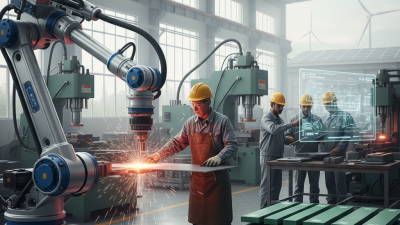
In the automotive industry, automated fabrication plays a crucial role in assembly lines. Robots assemble vehicles with high accuracy, increasing output while minimizing human error. However, this reliance on automation can lead to job displacement, a concern that must be addressed. Workers are urged to upskill and adapt to new roles that complement technology.
Another area of impact is electronics manufacturing. Automated systems efficiently produce complex circuit boards. They allow for rapid prototyping, making it easier to innovate. However, ensuring quality remains a challenge, as small defects can lead to functional failures. Continuous improvement in automated systems is essential to enhance reliability while managing costs.
What is Automated Fabrication Technology and How Does it Work? - Applications of Automated Fabrication in Various Industries
| Industry |
Application |
Technology Used |
Benefits |
| Construction |
3D Printing of Building Components |
Concrete 3D Printers |
Reduced Material Waste, Faster Construction |
| Automotive |
Rapid Prototyping of Parts |
CNC Machining, 3D Printing |
Cost-Effective, Increased Design Flexibility |
| Manufacturing |
Automated Assembly Lines |
Robotics, Conveyors |
Higher Efficiency, Consistent Quality |
| Aerospace |
Precision Part Fabrication |
Additive Manufacturing |
Lightweight Components, Reduced Lead Times |
| Healthcare |
Custom Prosthetics Production |
3D Printing, CAD Software |
Personalized Solutions, Improved Patient Outcomes |
Future Trends and Innovations in Automated Fabrication Technology
The landscape of automated fabrication technology is rapidly evolving. Innovations in robotics and software are paving the way for enhanced productivity. More industries are exploring 3D printing, for example, to create complex structures with greater accuracy. These advancements reduce material waste and speed up production cycles.
Future trends will likely focus on integrating artificial intelligence. AI can optimize designs before they reach the fabrication stage. This may limit errors and ensure better functionality. However, reliance on technology raises concerns about the workforce's future. Skilled labor may need to adapt to new roles.
Sustainability will also play a crucial role. The push for eco-friendly practices is influencing design and material choices. Recycling and energy-efficient processes are becoming priorities. Yet, achieving a balance between innovation and environmental responsibility remains a challenge. Companies will need to critically assess their processes as they strive for progress.