
10 Best AWWA C504 Butterfly Valves for Global Buyers?

Choosing an AWWA C504 Butterfly Valve is not just a matter of matching pipe diameter. Buyers must also compare pressure ratings, seat designs, materials, actuation, testing, and documentation. These details matter in pump stations, treatment works, and buried pipelines, where access for repairs may be limited.

The scale of investment is substantial. The U.S. Environmental Protection Agency’s 2023 Drinking Water Infrastructure Needs Survey and Assessment estimates $625 billion in drinking-water infrastructure needs over the next 20 years. That figure covers far more than valves, but it highlights the value of careful equipment selection. AWWA C504 defines requirements for rubber-seated butterfly valves used in waterworks service; buyers should confirm the applicable edition and project specifications before comparing suppliers. A certificate alone is not the whole story.

This guide examines ten options for global buyers, with attention to standards alignment, construction, operating conditions, and supplier support. It also flags details worth checking, such as coating records and actuator compatibility. Some comparisons remain difficult: manufacturers do not always publish identical test data. That deserves scrutiny.

No source material was supplied containing a verifiable quotation from a named AWWA C504 valve expert. Rather than invent one or misattribute a statement, this introduction relies on the EPA report and the published standard.
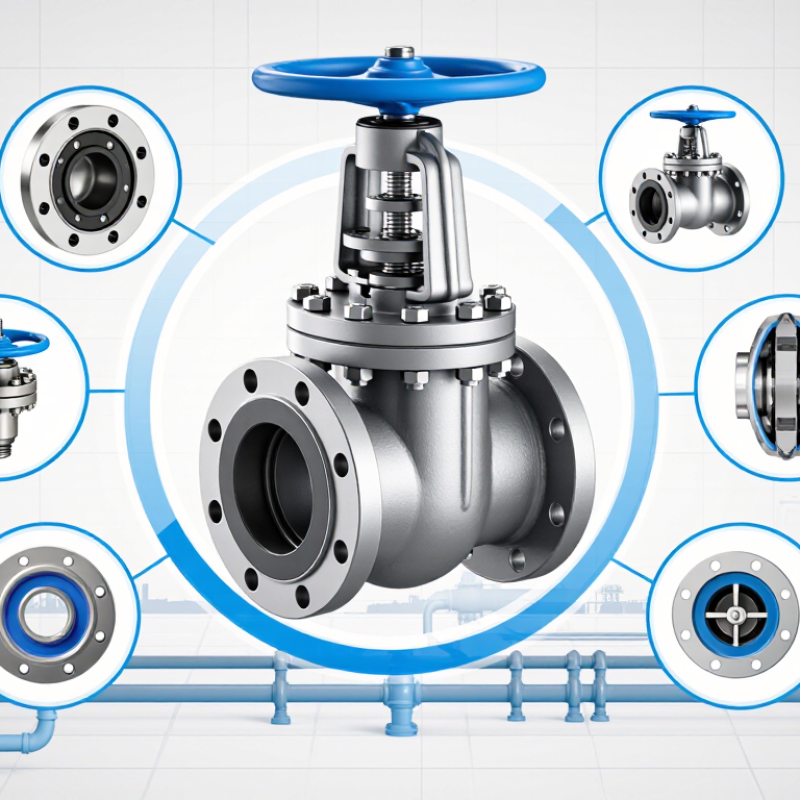
10 Best AWWA C504 Butterfly Valves for Global Buyers?

Understanding AWWA C504 Butterfly Valves and Their Applications

AWWA C504 butterfly valves are designed for waterworks service, where reliable shutoff and flow control matter. Their quarter-turn operation moves a disc across the pipe, making them useful in treatment plants, pump stations, and distribution networks. Operators can turn the valve quickly. That matters during maintenance or changing flow conditions.

Choosing a valve takes more than matching the pipe diameter. Buyers should check the pressure rating, end connections, operating method, and expected flow conditions against the project design. A valve that works well on a clean-water line may not suit every wastewater application. Solids, abrasion, and unusual chemistry can affect seat life. Details count.

Installation is just as important. The pipe should be properly aligned, and the disc needs enough clearance to open without striking nearby equipment. Confirm that materials and coatings are suitable for the water and service environment. Ask for current test records and documentation showing the valve’s applicable AWWA C504 requirements. Small oversights happen, even on experienced teams. A practical specification review can catch them before delivery, though field conditions sometimes reveal issues that drawings miss.

Key Criteria for Selecting Valves for Global Projects

For global projects, start with the actual duty, not the catalog description. Confirm line size, design pressure, flow direction, operating frequency, and required shutoff performance. AWWA C504 provides the applicable framework for rubber-seated butterfly valves, but project specifications still need to define materials, testing, and acceptance criteria. Check face-to-face dimensions against drawings; a small mismatch can delay installation when replacement parts cross borders. Details matter.

Material selection needs local context. Water chemistry, temperature, soil exposure, and disinfectants can affect body coatings, shaft materials, and rubber-seat life. Ask for documented pressure-test results, material traceability, and clear operating limits. The U.S. EPA’s 2023 Drinking Water Infrastructure Needs Survey estimated $625 billion in drinking-water infrastructure needs over 20 years. That figure is U.S.-specific, not a global forecast, but it underscores the scale and long service horizon of water-system investment. For international procurement, also verify flange compatibility, actuator power and control signals, spare-parts availability, and delivery documentation. Test the whole assembly. A checklist can still miss site realities: climate, maintenance skills, and uncertain shipping schedules deserve a final review before purchase.

Ten AWWA C504 Butterfly Valve Options for Global Buyers

Global buyers comparing ten AWWA C504 butterfly valve options should treat them as configurations, not interchangeable products. Consider flanged-end and mechanical-joint-end designs for different piping layouts. Compare short-body and long-body patterns against available installation space. Fit matters. A buried-service configuration may need an extension stem, while an exposed installation may use a handwheel or gear operator. Electric and pneumatic actuation are alternatives when remote control or frequent operation is needed.

The remaining options concern pressure class, valve size, seat materials, coating, and operator arrangement. Match each choice to the project’s pressure conditions, water quality, operating frequency, and maintenance access. A thicker coating does not automatically suit every site; confirm the specified coating system and application details with the supplier. Likewise, verify that the offered valve’s design and documentation meet the applicable edition of AWWA C504. Check the drawings.

Request dimensional data, materials, pressure ratings, and inspection records before comparing quotations. Ask how the valve will be tested and what maintenance access it requires. The comparison is not perfectly tidy: suppliers may describe similar configurations differently, and a catalog description cannot replace project-specific review. That deserves a second look. A local engineer or qualified valve specialist can confirm compatibility with the pipeline and operating conditions.

10 Best AWWA C504 Butterfly Valves for Global Buyers? — Ten AWWA C504 Butterfly Valve Options for Global Buyers
Option Nominal size Typical application End connection Operation Typical construction considerations Buyer checks
Compact distribution valve DN100 (4 in) Small-diameter water distribution branches and isolation points Flanged; confirm flange drilling and facing Manual gear operator Rubber-seated design; select body, disc, shaft, and elastomer materials for the water chemistry Confirm installation space, operating torque, pressure class, and potable-water approvals if required
Branch-line isolation valve DN150 (6 in) Distribution mains, treatment-plant branches, and utility isolation Flanged; verify the mating flange standard Manual gear operator with position indication Specify elastomer compatibility and suitable internal/external coating for the service environment Check face-to-face dimensions, shutoff requirements, and operating direction
Small transmission-main valve DN200 (8 in) Water transmission and process piping with routine isolation needs Flanged or another documented C504-compatible end arrangement Manual gear operator Choose shaft and disc details with corrosion resistance and maintenance access in mind Review flow velocity, differential pressure, and allowable head loss
Utility network valve DN250 (10 in) Municipal distribution networks and pump-station piping Flanged; confirm drilling, dimensions, and gasket requirements Manual gear operator; prepare for actuator mounting if needed Use a resilient seat suited to the fluid and expected operating temperature Confirm pressure class, buried-service coating, and access to the gearbox
General-purpose main valve DN300 (12 in) Water mains, reservoirs, and treatment-plant isolation Flanged or specified mechanical-joint arrangement, subject to the valve design Manual gear operator Ductile-iron components and corrosion-resistant shaft materials are common choices; verify the offered specification Check installation orientation, shutoff pressure, and any potable-water certification requirements
Medium transmission valve DN350 (14 in) Transmission pipelines and large facility headers Flanged; match the pipeline flange standard Gear operator; electric actuation may be specified for remote control Provide actuator mounting and electrical interface details when automation is required Confirm torque data, cycle frequency, power supply, and fail-position requirements
Large distribution-main valve DN400 (16 in) Major distribution mains and pumping-system isolation Flanged; verify face-to-face and flange dimensions Manual gear operator or a suitably sized actuator Check coating system, seat replaceability, and access for inspection Review surge conditions, differential pressure, and the valve’s permitted installation position
Plant-header valve DN500 (20 in) Large treatment-plant headers and regional water-system pipelines Flanged or another project-specified end connection Gear operator; powered actuation for frequent or remote operation Confirm that the proposed disc, shaft, and elastomer materials suit the fluid and environment Request certified dimensional drawings, operating torque, and pressure-test documentation
Large transmission valve DN600 (24 in) Transmission mains, reservoirs, and large pumping stations Flanged; verify mating-pipeline standards and drilling Actuator-ready gear operator or specified powered actuator Plan lifting points, structural support, actuator clearance, and maintenance access Check surge analysis, control requirements, and transport dimensions
Extra-large pipeline valve DN750 (30 in) Large-capacity transmission systems and major plant piping Project-specific; confirm the offered end arrangement and interface dimensions Powered actuator or engineered gear operator, selected from verified torque data Coordinate valve, actuator, controls, supports, and site installation sequence Verify size/class availability, delivery limits, lifting plan, and full submittal package

Selection note: These are illustrative size-and-application options, not product certifications or guaranteed ratings. AWWA C504 covers rubber-seated butterfly valves; verify the applicable standard edition, size and pressure-class availability, design conditions, end dimensions, material details, and project-specific approvals with the supplier. Potable-water approvals, such as NSF/ANSI/CAN 61 or 372 where required, are separate verification items.

Comparing Valve Designs, Materials, and Performance

AWWA C504 butterfly valves are commonly selected for waterworks because their quarter-turn operation allows quick isolation with a compact footprint. Design details still matter. A centered shaft and resilient seat can provide dependable shutoff, while disc shape and clearance affect flow resistance and operating torque. Compare drawings, not just catalog labels.

Materials should match the water, pressure, and installation environment. Ductile iron bodies and discs offer strength; stainless-steel shafts can improve corrosion resistance in suitable service. Seat compounds vary, so confirm compatibility with water quality, temperature, and disinfectants. Ask for coating details, shaft sealing arrangements, and documented pressure-test results. Small details matter.

Performance depends on the complete assembly, including the actuator. A buried valve may need a different operator and access arrangement than one in a dry chamber. Check torque requirements across the full operating range, especially after long periods without movement. Also review face-to-face dimensions and flange drilling before ordering; a mismatch can complicate installation. C504 compliance is a useful baseline, not a substitute for project-specific review. Specifications can be ambiguous, and I would verify unusual service conditions with the supplier’s technical documentation.

International Standards, Procurement, and Long-Term Maintenance

For global buyers, AWWA C504 offers a common basis for specifying rubber-seated butterfly valves in waterworks service. It does not replace project-specific checks. Confirm the applicable edition, pressure class, valve size, end connections, and operating conditions before requesting quotations. A valve that meets one specification may still have incompatible flange drilling or actuator requirements.

Procurement documents should identify body and disc materials, seat construction, coating requirements, and acceptance tests. Ask for dimensional drawings, material records, pressure-test results, and clear marking details. These records help teams compare suppliers across regions and review deliveries at receiving. Check how the project’s local codes and potable-water requirements interact with the AWWA specification; requirements can differ by destination. Small omissions matter.

Long-term maintenance begins with accessible installation and accurate asset records. Keep the valve’s location, serial identification, operating settings, and inspection history together. During planned inspections, check for leakage, corrosion, damaged coatings, and unusual operating effort. Exercise valves according to the manufacturer’s instructions and site conditions, not a universal schedule. Inspect actuators and gear operators as well. A maintenance plan can look complete on paper yet fail when a buried valve has no practical access. Revisit the plan after commissioning and record what proved difficult.

Article Source:

Translate