Who Are the Best External Meter Box Manufacturers in China?
Choosing the right External Meter Box manufacturer requires more than comparing prices. Buyers must examine enclosure materials, sealing design, UV resistance, wiring access, and production quality controls. A box installed outdoors faces rain, dust, sunlight, and repeated opening. Small design flaws can become costly maintenance problems.
The International Energy Agency’s Electricity 2024 report projects global electricity demand will grow by an average of 3.4% annually from 2024 to 2026. This forecast describes the wider electrical infrastructure environment; it is not a direct measure of meter-box sales. Still, it highlights why dependable distribution equipment matters. A manufacturer’s test records, material specifications, and traceable quality procedures deserve close attention.
Look closely. Compare wall thickness, hinges, cable-entry points, and gasket fit—not just catalog photos. Ask how suppliers verify weather resistance and maintain consistent production between batches. A polished sample is useful, but it cannot prove long-term performance. That distinction is easy to miss.
This article compares leading Chinese manufacturers through practical criteria, including product range, customization, quality evidence, and export experience. No source material or independently verifiable quotation from a named External Meter Box specialist was provided, so attributing a quote would risk inventing one. Readers should verify each supplier’s current certificates and test documentation before making a decision.
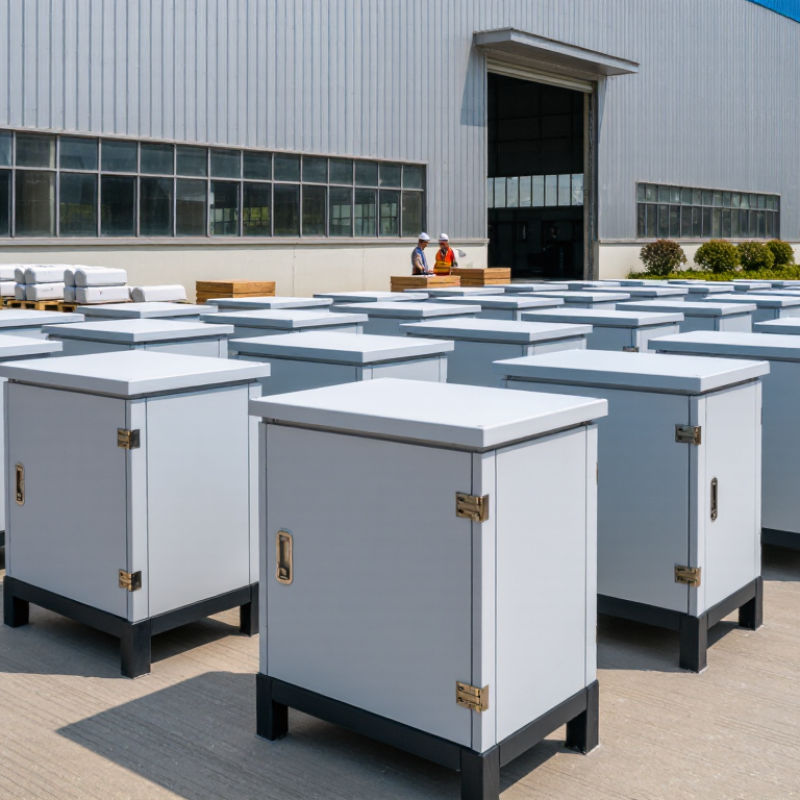
What External Meter Boxes Are and Where They Are Used
An external meter box is a protective enclosure fitted outside a building or at a property boundary. It holds a utility meter and may also protect connections or related equipment. The box helps shield components from rain, dust, sunlight, and accidental knocks. Access matters. A clear viewing window can make readings easier, while a secure door helps limit unwanted access.
These enclosures are used at houses, apartment buildings, shops, workshops, and some industrial sites. They may be made for electricity, water, or gas meters, but the designs are not interchangeable. Each meter type has different connection, clearance, and ventilation needs. Installers should check the utility’s specifications and the site conditions before choosing an enclosure. A box placed near a driveway, for example, may need better impact protection than one mounted on a sheltered wall.
Material and fit matter outdoors. Coated metal can offer strength, while suitable plastics may resist corrosion and weathering; performance depends on the grade and exposure. Cable entry points should be arranged to reduce water ingress, and the meter must remain readable and reachable for maintenance. That sounds simple, but site conditions rarely cooperate. Even a sturdy box can be inconvenient if its door opens into a narrow path or its window fogs in damp weather.
Common Types and Materials of External Meter Boxes
External meter boxes protect meters and connection points from rain, dust, impact, and casual access. Designs vary with the installation. Surface-mounted boxes attach to finished walls and suit upgrades where cutting masonry is impractical. Recessed models sit partly inside a wall, creating a flatter profile, but require planned openings and careful sealing. Pole-mounted enclosures work at outdoor sites without a suitable wall. Details matter.
Common materials include UV-stabilized polycarbonate or other engineering plastics, galvanized steel, stainless steel, and aluminum. Plastic is lightweight and resists corrosion, though prolonged sun exposure can weaken unsuitable grades.
Galvanized steel offers rigidity, but damaged coatings may rust. Stainless steel handles damp environments well, yet often costs more. Aluminum is lighter than steel; its suitability depends on thickness and construction. A thicker wall is not always better.
When comparing manufacturers, check the enclosure’s stated ingress protection, UV resistance, door fit, hinge strength, and cable-entry design. Ask for material specifications and test documentation, not just a product photograph. A gasket should compress evenly around the door, with no visible gaps at the corners. Small details can cause trouble. Installation conditions still matter, and a well-made box can perform poorly if mounted carelessly or selected without regard to local weather.
How to Assess Meter Box Manufacturers in China
When assessing external meter box manufacturers in China, look beyond catalogue photos. Ask for drawings, resin or metal specifications, enclosure dimensions, and documented test results. Check whether the stated protection level matches the tests performed, not just a sales sheet. Small details matter: hinge alignment, gasket compression, cable-entry edges, and whether the door stays shut after repeated opening. Ask to inspect a production sample. It should feel consistent, with no sharp burrs or uneven molding. Good signs.
Review how the factory controls quality between batches. Request inspection records, material traceability, and examples of corrective actions when defects occur. A supplier that can explain how it handles warped covers or cracked mounting points is more credible than one promising zero defects. Confirm who performs testing, what equipment is used, and whether reports identify the actual product model. Also discuss packaging; a scratched enclosure can arrive before installation even begins.
Factory visits or live video walkthroughs can reveal storage conditions, assembly steps, and final inspection practices. Compare quoted lead times with production capacity and ask how design changes are recorded. Check communication with a small technical question; clear, specific answers are useful evidence. There is no perfect checklist. Even careful reviews can miss issues, so evaluate a pilot batch under realistic installation conditions before placing a larger order.
Leading External Meter Box Manufacturers in China
Leading External Meter Box Manufacturers in China
China’s external meter box market serves a vast and expanding power system. The China Electricity Council reported national electricity consumption of 9.22 trillion kWh in 2023, up 6.7% year on year. This figure does not directly measure meter-box demand, but it shows the scale of infrastructure suppliers must support. A well-made enclosure should protect meters and terminals from rain, dust, sunlight, and accidental impact. Small details matter: a tight cable entry, a smooth hinge, and a lock that still works after repeated use.
The International Energy Agency’s Electricity Grids and Secure Energy Transitions report says annual grid investment needs to exceed 600 billion US dollars by 2030, up from about 300 billion. Though global, that outlook highlights why buyers should assess manufacturers’ production consistency and testing evidence. Ask for documented checks on UV ageing, impact resistance, flame performance, and ingress protection. Confirm that the tested material and dimensions match the delivered product. Paperwork alone is not enough.
There is no reliable public ranking that verifies every Chinese manufacturer’s defect rates or long-term outdoor performance. That gap deserves attention. Buyers can inspect samples, review batch traceability, and test seals, fasteners, and cable openings before large orders. A polished catalogue proves little. Real exposure can reveal weaknesses, and even careful suppliers may need to improve designs after field feedback.
Factors to Consider When Choosing a Manufacturer
Choosing an external meter box manufacturer starts with the enclosure, not the catalogue photo. Where applicable, ask for evidence against IEC 62208, which covers empty enclosures for low-voltage switchgear and controlgear assemblies. Request test records for impact, heat, ingress protection, and corrosion. Small details matter: gasket compression around the door, smooth cable-entry edges, and hinges that stay aligned after repeated opening. Confirm that the quoted IP rating applies to the assembled box, not just individual components. That detail is easy to miss.
Capacity and traceability matter, too. The International Energy Agency’s 2023 report, Electricity Grids and Secure Energy Transitions, says annual grid investment must exceed USD 600 billion by 2030 in its net-zero pathway. This is not a meter-box market forecast, but it highlights the value of dependable production and documented materials. Check material specifications, batch records, sample lead times, and the process for handling defects. Request a pilot lot before a large order. I would still inspect the first production batch; an audit cannot catch every weak latch or uneven seal. No shortcut here.