10 Best Natural Gas Steam Boilers for Industrial Buyers
A Natural Gas Steam Boiler can support process heating, sanitation, humidification, and power generation across many industrial settings. Yet the right choice depends on more than rated output. A boiler that looks efficient on a specification sheet may not suit a plant with uneven steam demand, limited floor space, or strict maintenance schedules. Small details matter. Think of daily load swings, feedwater quality, burner controls, and access to replacement parts.
This guide examines ten options for industrial buyers, focusing on practical comparison points: steam capacity, operating pressure, efficiency data, turndown capability, control features, and service support. Product specifications can change, and published performance figures may rely on different test conditions. Verify them with the manufacturer before making a purchase. A site-specific engineering review is also important, especially when sizing equipment for an existing steam network. Oversizing can waste fuel; undersizing can leave production short of steam. Neither outcome is trivial. The “best” boiler is therefore not one universal model, but a well-matched system with dependable support and clear operating requirements. This overview offers a starting point, not a substitute for checking installation constraints, lifecycle costs, and local technical requirements. Some comparisons will remain imperfect without consistent, independently verified data. That uncertainty deserves attention, not a confident guess.
Natural Gas Steam Boilers: Core Components and Operating Principles
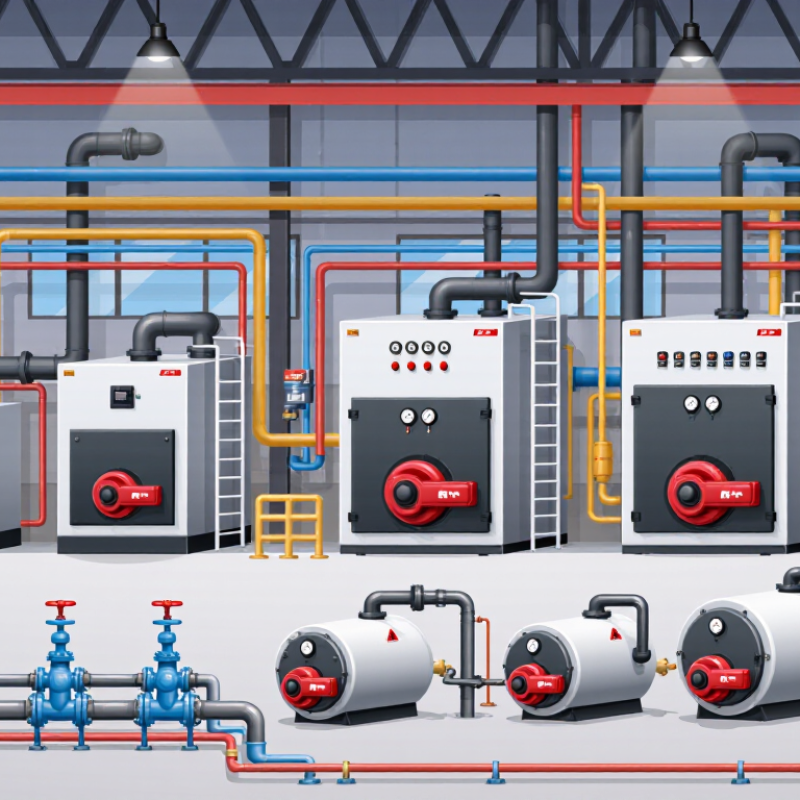
A natural gas steam boiler turns fuel energy into pressurized steam through controlled combustion and heat transfer. The burner mixes gas with air and ignites the mixture inside the furnace. A gas train regulates fuel flow, while flame sensors and control systems monitor combustion. Small details matter. An uneven flame can create hot spots and reduce heat-transfer efficiency.
Heat then passes through metal surfaces to water. In fire-tube designs, hot gases travel inside tubes surrounded by water; in water-tube designs, water flows through tubes exposed to hot gases. A steam drum, where fitted, separates steam from water before steam enters the plant’s distribution lines. Feedwater pumps maintain the water supply, and blowdown removes some dissolved solids. The arrangement varies by boiler type and operating pressure.
Pressure controls regulate firing rates as steam demand changes. Safety valves provide a mechanical safeguard against excessive pressure, but they do not replace proper controls or inspection. Operators should watch water level, pressure, flame condition, and exhaust readings. A steady gauge is useful, not definitive. Real installations differ, and a clean schematic can hide maintenance problems, poor water quality, or changing load patterns. Those conditions deserve attention during equipment selection and routine operation.
Industrial Applications and Steam Capacity Requirements
Industrial steam demand depends on the process, not just the facility’s square footage. A food plant may need steady steam for washing, cooking, and sanitation. A packaging line may draw heavily during short production cycles. In both cases, boiler capacity should match peak demand while accounting for normal operating hours. A single capacity estimate can miss important swings.
Tips: Log steam pressure and fuel use during a typical production week. Note startup peaks, shift changes, and periods when equipment runs together. These details help distinguish a brief surge from a sustained load.
When comparing natural gas steam boilers, check rated output, operating pressure, turndown range, and expected load changes. Review condensate return and feedwater treatment too; poor water quality can increase maintenance needs. Allow for future production growth, but avoid sizing far above today’s demand. Oversized equipment may cycle frequently at low loads. I would not rely on a single “standard” safety margin without checking the plant’s actual operating pattern. A site survey can reveal that the assumed peak occurs only briefly, or that two processes overlap more often than expected.
Key Criteria for Evaluating Industrial Boiler Options
10 Best Natural Gas Steam Boilers for Industrial Buyers
Key Criteria for Evaluating Industrial Boiler Options
A boiler’s nameplate capacity is only a starting point. Compare its output with measured peak demand and typical hourly loads. Oversizing can cause frequent cycling; undersizing may leave steam pressure unstable during production peaks. Check operating pressure, turndown range, burner response, and the quality of available feedwater. Small details matter. The U.S. Department of Energy’s Improving Steam System Performance sourcebook emphasizes evaluating the steam system, not just the boiler. That means reviewing traps, condensate return, insulation, and distribution losses alongside equipment specifications.
Efficiency should be tested at realistic loads, not only at full fire. Ask suppliers for test conditions, expected stack temperature, and documented performance across the operating range. The U.S. EPA’s AP-42, Chapter 1.4, gives a natural-gas CO2 emission factor of about 53.06 kg per MMBtu of fuel input. This makes fuel consumption a useful comparison point, though actual emissions and costs depend on operating conditions. A polished efficiency number can still hide weak part-load performance.
Tips: Request a load profile from at least one representative production week. Compare annual fuel use, maintenance access, water-treatment needs, and installation limits. Check clearances around the boiler room door and the path for removing tubes. These checks are easy to postpone—and sometimes that is the mistake.
Comparison of Ten Natural Gas Steam Boiler Models
Comparing ten natural gas steam boiler models starts with the load they must serve, not their advertised output. Check each unit’s rated steam capacity, operating pressure, turndown range, and efficiency test conditions. Numbers need context. A boiler tested at steady load may perform differently during frequent starts and stops.
Models one through three may suit smaller, steady loads, while models four through six can provide greater capacity for expanding processes. Models seven and eight may use water-tube designs for demanding pressure or rapid response.
Model nine could be a modular arrangement, allowing units to cycle with demand. Model ten might include an economizer to recover heat from exhaust. These are configuration comparisons, not claims about specific products.
Look beyond the headline efficiency.
Compare burner controls, steam quality, footprint, maintenance access, and documented emissions. Ask for test data at the pressures and loads your site actually uses. Check whether the quoted efficiency includes auxiliary power and realistic operating conditions. Details matter.
A narrow service aisle can make routine inspection awkward, and poor condensate return can increase fuel use. No single model wins every site; actual performance depends on installation, water treatment, and load profile.
My comparison would still need verified specifications before ranking the ten.
Fuel Efficiency, Emissions, Installation, and Maintenance Factors
For industrial buyers, “best” means reliable steam at the plant’s actual operating load, not just a high catalog efficiency. Check seasonal demand, turndown, pressure stability, and part-load fuel use. Numbers can mislead. The U.S. EPA’s Greenhouse Gas Reporting Program assigns natural gas a combustion factor of 53.06 kg of CO2 per MMBtu. This makes fuel records useful for tracking direct emissions, though the figure excludes upstream emissions. The U.S. Department of Energy’s 2002 Steam System Opportunity Assessment estimated an average 12% energy-savings opportunity across the industrial sectors it assessed. That benchmark supports checking the whole steam system, not only the boiler.
Installation details shape performance. Confirm that the boiler fits the available footprint, vent route, water-treatment setup, and existing steam header. A poorly sized unit may cycle frequently at low demand. That wastes fuel and can increase wear. Ask for commissioning records showing combustion tests at several firing rates, not only at full load. Measure stack oxygen and temperature after tuning.
Maintenance is practical, not glamorous. Inspect burners, clean heat-transfer surfaces, test safety controls, and check condensate returns on a defined schedule. DOE steam-system guidance also highlights leaks, failed steam traps, and damaged insulation as avoidable losses. Keep trend logs for fuel, feedwater, blowdown, and steam output. Some plants still rely on handwritten readings; that is a real limitation, but better records make drift easier to spot. A low bid can also hide service gaps, so verify technician access and spare-part lead times before installation.