How to Choose the Best Metal Laser Cutting Machine for Your Needs?
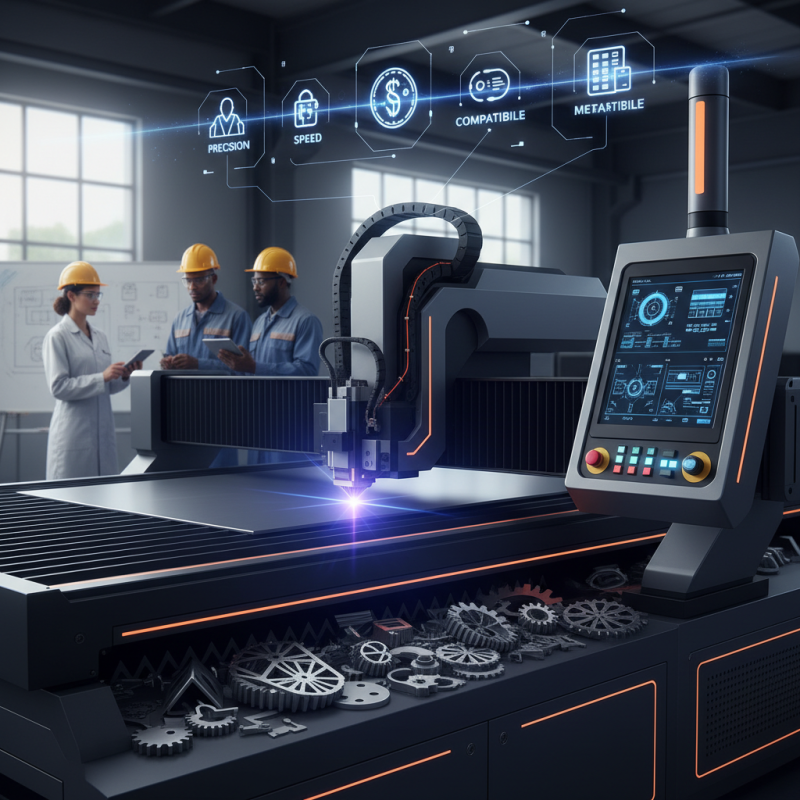
Choosing the right Metal Laser Cutting Machine can be a daunting task. According to industry expert Dr. Emily Chen, “The best machine is one that aligns with specific operational needs.” With numerous options available, making a decision requires consideration of various factors, including precision, speed, and material compatibility.
These factors become essential for businesses aiming to enhance their production capabilities. It's not always easy to evaluate each machine's features. Many companies might overlook their unique production demands, leading to potential inefficiencies. Therefore, it's crucial to ask the right questions.
Think about the type of materials you'll cut and the volume of work. A focused approach helps streamline the selection process. Each machine presents its own advantages and drawbacks. Reflecting on the machine's long-term value can guide you toward the best choice.
Factors to Consider When Selecting a Metal Laser Cutting Machine
When selecting a metal laser cutting machine, several critical factors should be evaluated. First, consider the type of metal to be cut. Different lasers have varying capabilities with materials like steel, aluminum, or copper. The machine's wattage impacts cutting speed and thickness. Machines from 1000 to 3000 watts are often ideal for thicknesses of 6 to 12 mm.
Another important aspect is the cutting speed. Reports suggest that faster machines can enhance productivity but might sacrifice precision. A balance must be struck between speed and accuracy. Reviewing user testimonials and technical specifications helps assess a machine's reliability.
Tips: Verify the machine's maintenance requirements. Regular upkeep can reduce long-term costs. Understanding support and service options is vital. This could address potential downtimes effectively. Always consider the total cost of ownership, not just the initial investment. This makes the decision process more comprehensive.
Types of Metal Laser Cutting Machines Available in the Market
When exploring metal laser cutting machines, it’s essential to understand the types available in the market. Each type caters to different needs and applications. For instance, CO2 laser cutting machines are widely used for non-metal materials. Their versatility in cutting plastics and wood is impressive. However, they struggle with thicker metals.
Fiber laser machines have gained popularity for cutting metals like steel and aluminum. They produce high-quality cuts with excellent precision. This type operates at higher speeds, which is a significant advantage for businesses needing efficiency. Yet, some users find the initial investment daunting. It’s a consideration worth reflecting upon.
Another category includes hybrid laser cutting machines, combining both CO2 and fiber technology. These machines offer flexibility, but they can be complex to operate. Users might need additional training to maximize their potential. Your choice will depend on specific needs and budget constraints. Reflecting on these factors will help you make a more informed decision.
Comparison of Metal Laser Cutting Machines by Type
Evaluating the Cutting Speed and Precision of Laser Machines
When selecting a metal laser cutting machine, cutting speed and precision are crucial factors. A faster cutting speed can enhance productivity significantly. However, speed should not come at the expense of precision. Look for machines that balance both attributes. For example, a machine that cuts quickly but lacks accuracy may result in more rework and wasted materials.
Precision in laser cutting is often measured in microns. Machines that offer precision cuts create clean edges, minimizing the need for secondary processes. A slight miscalculation in precision can lead to issues in assembly and overall fit. Evaluating different machines often involves reviewing their specifications and real-world performance. User reviews can also provide insights but should be taken with caution due to potential biases.
Another aspect to consider is the type of material you plan to cut. Thicker materials may require slower speeds to maintain accuracy. If you're unsure about a machine's capabilities, seeking expert opinions can be beneficial. Engaging with other professionals in the field can help reveal the advantages and limitations of various technologies. It's essential to gather as much information as possible before making a decision.
Budgeting for Your Metal Laser Cutting Machine Purchase
When budgeting for a metal laser cutting machine, consider your production needs first. The average cost of a decent machine ranges from $10,000 to $100,000. This investment demands careful planning. Look into laser power, cutting speed, and material compatibility. Each factor influences the total cost significantly.
Investing in a higher-powered laser can improve efficiency but may stretch your budget. A report from the Laser Institute of America indicates that 30% of companies underutilize their machines due to poor initial choices. Research your options thoroughly. Compare features against your needs. Set aside additional funds for maintenance and consumables.
Tip: Don't forget about training costs. Proper training can shorten the learning curve. Mistakes often arise from unclear instructions.
Tip: Consider future scalability. Machines may need upgrades as your business grows. This often means additional costs down the line.
Reflect on whether the intended use justifies the expenditure. It's easy to get caught up in features but remember to align them with practical business goals. Focus on what truly meets your operational requirements.
Maintenance and Support Services for Laser Cutting Machines
When choosing a metal laser cutting machine, maintenance and support services can’t be overlooked. Regular upkeep is essential for optimal performance. Without it, machines can falter, leading to costly downtimes. Scheduled maintenance helps detect problems early. Trained technicians can offer insights into machine usage. This knowledge prevents minor issues from escalating.
Support services vary greatly. Some companies offer extensive training for operators. Others provide remote assistance. It’s crucial to understand what is included in the service package. Quick response times matter. Delays in support can lead to inefficient operations. Consider the availability of replacement parts. An efficient supply chain is vital to minimize downtime.
Reflect on your needs. Will you require rapid assistance? Check service reviews for reliability. Experience speaks volumes. Speak directly with current users to gain real-world insights. Balancing cost with quality and support ensures a wise investment. Prioritize long-term reliability over initial savings. Your metal laser cutting machine must be an asset, not a burden.