Why Choose Chrome Steel Balls for Your Industrial Needs?
In today's industrial landscape, choosing the right materials is crucial. Chrome Steel Balls stand out due to their unique properties. These balls are known for their durability and resistance to wear. Industries often turn to them for high-performance applications.
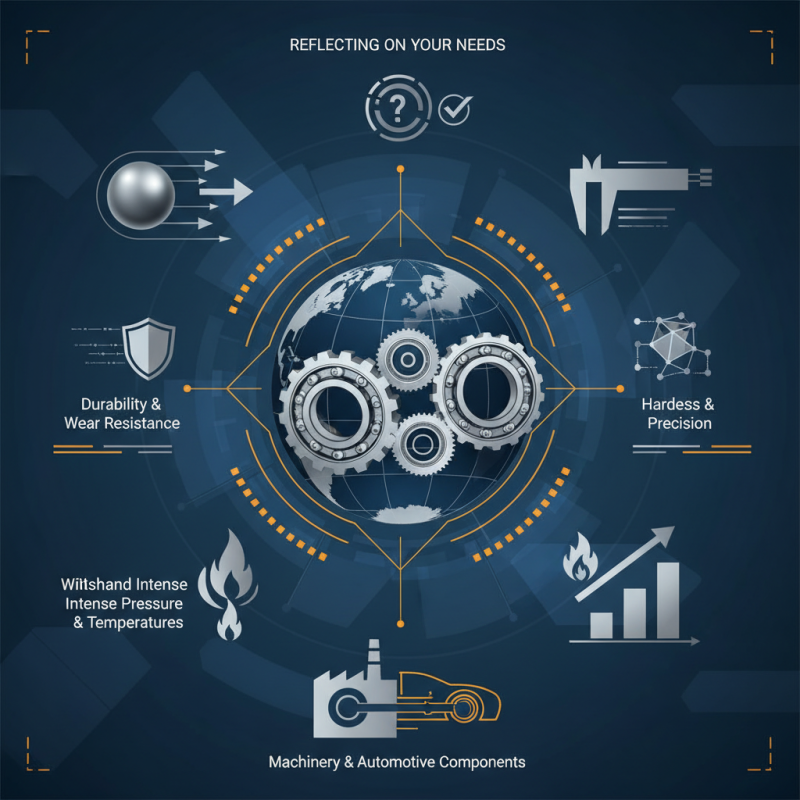
Manufacturers value Chrome Steel Balls for their hardness and precision. They can withstand intense pressures and temperatures. This makes them ideal for various uses, including in machinery and automotive components. However, quality can vary across suppliers. It’s essential to source from reputable manufacturers to ensure reliability.
Reflecting on your needs can help make the right choice. Are your applications demanding more than standard materials can provide? Chrome Steel Balls may offer the solution you require. Consider the potential benefits and challenges they might bring.
Benefits of Chrome Steel Balls in Industrial Applications
Chrome steel balls are increasingly favored in industrial applications. Their robust properties make them ideal for various uses. These balls are known for their hardness and durability. They are resistant to wear, which improves the longevity of equipment.
One significant benefit of chrome steel balls is their ability to withstand high loads. This feature is vital in heavy machinery and automotive applications. Their precise spherical shape ensures smooth motion. This leads to improved performance and reduced energy consumption. Industries relying on precision should consider their use.
Tip: Always evaluate the specific requirements of your machinery. Not all chrome steel balls are suitable for every application.
Another advantage is their corrosion resistance. This trait helps maintain functionality in harsh environments. Chrome steel balls can perform well even in extreme conditions. However, they may require regular maintenance to prevent surface damage over time.
Tip: Regular inspections can prolong their service life. Addressing minor issues early can save costs in the long run.
Benefits of Chrome Steel Balls in Industrial Applications
Understanding the Composition and Properties of Chrome Steel Balls
Chrome steel balls are a popular choice in various industries due to their outstanding properties. The primary component of these balls is high-carbon chromium steel, which typically contains about 1% carbon and 1.5% chromium. This composition enhances their hardness, allowing them to withstand high loads and stress. According to the American Society for Testing and Materials (ASTM), chrome steel balls can achieve a hardness rating of up to 62 HRC, making them ideal for demanding applications like bearings and automotive components.
The microstructure of chrome steel also contributes to its durability. The hardening process creates a fine distribution of carbides within the steel, increasing wear resistance. A study published in the Journal of Materials Science shows that chrome steel balls exhibit significantly lower wear rates compared to other materials. However, it's important to note that while they excel in many applications, chrome steel is susceptible to corrosion if not properly maintained.
Additionally, chrome steel balls have a high precision and sphericity, which are critical for applications that require tight tolerances. Manufacturing processes often achieve diameter tolerances of ±0.001 inches or better. Despite these advantages, users must consider the potential for brittleness under extreme conditions. Knowing these properties and limitations allows industries to make informed choices for their specific needs.
Comparative Analysis: Chrome Steel vs. Other Ball Materials
When considering the best materials for industrial applications, chrome steel balls stand out for several reasons. These balls are known for their exceptional hardness and strength, which are essential qualities in various mechanical systems. According to the American Society of Mechanical Engineers, chrome steel balls have a Rockwell hardness rating of between 58-66 HRC, making them highly resistant to wear. This durability is crucial in applications involving high speeds and loads.
In contrast to other materials like plastic or ceramic, chrome steel balls offer superior load-bearing capacities. For example, studies show that chrome steel can handle loads of up to 40% more than ceramic balls. While ceramic is lightweight, it tends to fracture under pressure, leading to potential failures in critical systems. Although plastic balls are resistant to corrosion, they lack the tensile strength required for certain heavy-duty applications. Thus, while they serve niche roles, they may not be suitable for environments with high friction or temperature variations.
It's also worth noting that chrome steel balls are not without their drawbacks. The manufacturing process can produce variations in quality, affecting performance. Additionally, while rust-resistant, they are not entirely immune to corrosion in highly humid environments. Continuous assessment of application needs and material properties is critical for optimal performance. Balancing the benefits and limitations of chrome steel versus alternative materials can guide informed decisions in industrial settings.
Why Choose Chrome Steel Balls for Your Industrial Needs? - Comparative Analysis: Chrome Steel vs. Other Ball Materials
| Material | Hardness (HRC) | Corrosion Resistance | Cost per Unit ($) | Typical Applications |
| Chrome Steel | 58-67 | Moderate | 0.15 - 0.25 | Bearings, Valves |
| Stainless Steel | 40-55 | High | 0.30 - 0.50 | Food Processing, Marine |
| Plastic | N/A | Low | 0.05 - 0.10 | Light Duty Applications |
| Ceramic | 60-80 | Very High | 0.50 - 1.00 | High-Speed Applications |
Key Industries Utilizing Chrome Steel Balls for Enhanced Performance
Chrome steel balls are widely utilized in various key industries due to their enhanced performance. Manufacturing and engineering sectors benefit significantly. These balls are critical for applications requiring high wear resistance and durability. They withstand intense pressure and friction, making them ideal for bearings and ball screws. The production of chrome steel balls involves precise processes that enhance their hardness and reliability.
In the automotive industry, chrome steel balls are essential in ensuring optimal efficiency. They play a vital role in components like hubs and transmissions. Their ability to reduce friction can lead to improved fuel economy and prolonged lifespan for vehicles. This is crucial as manufacturers aim to meet stringent performance standards.
The aerospace sector also harnesses the advantages of chrome steel balls. In this industry, weight reduction is paramount. Chrome steel balls provide strength without adding excessive weight. However, it's important to monitor their performance regularly. Over time, even the best materials can degrade. Companies must assess their reliability to prevent failures. This commitment to quality offers a path for continuous improvement in safety and efficiency.
Selecting the Right Chrome Steel Balls for Specific Industrial Needs
When selecting chrome steel balls, it’s crucial to understand the specific requirements of your industrial application. Chrome steel balls are widely recognized for their durability and resistance to wear. According to a report by the International Journal of Materials Science, the hardness of chrome steel ranges from 60 to 66 HRC, making it ideal for applications requiring high load capacity.
Different industrial applications may require varying sizes and grades of chrome steel balls. For example, precision instruments often use 440C stainless steel for its enhanced corrosion resistance. On the other hand, heavy machinery might depend on 52100 chrome steel balls, known for their exceptional hardness and tensile strength. The choice of grade impacts performance and longevity, highlighting the importance of thorough research.
Quality control is essential in the selection process. Not all suppliers adhere to stringent quality measures. A recent industry analysis revealed that 25% of tested chrome steel balls failed compliance checks. Always verify the manufacturer's certifications and quality assurance processes. Choosing the right chrome steel ball can prevent costly machinery failures and improve operational efficiency. Each decision should be based on tested performance data and specific application needs.