How to Choose the Best Wall Covers for Your Home Decor?
Choosing the right Wall Covers can significantly transform your home decor. The process may seem overwhelming, but it is essential to select options that reflect your style and fit your space. Wall covers come in various materials, patterns, and textures, making it crucial to understand your preferences and needs.
Consider the atmosphere you want to create. Do you prefer something bold or subtle? Each choice carries implications for the overall feel of your home. Trends change, and what seems attractive today may not resonate tomorrow. Take time to explore different possibilities and envision how wall covers will interact with your existing furniture and decor elements.
Incorporating wall covers can enhance a room's aesthetic. But it’s important to avoid rushing into decisions. Experiment with samples before committing. Seek opinions from design experts or consult reliable sources for inspiration. Remember, wall covers are not just decorative; they can also provide insulation and protection. Ultimately, the best choice supports both functionality and your unique style vision.
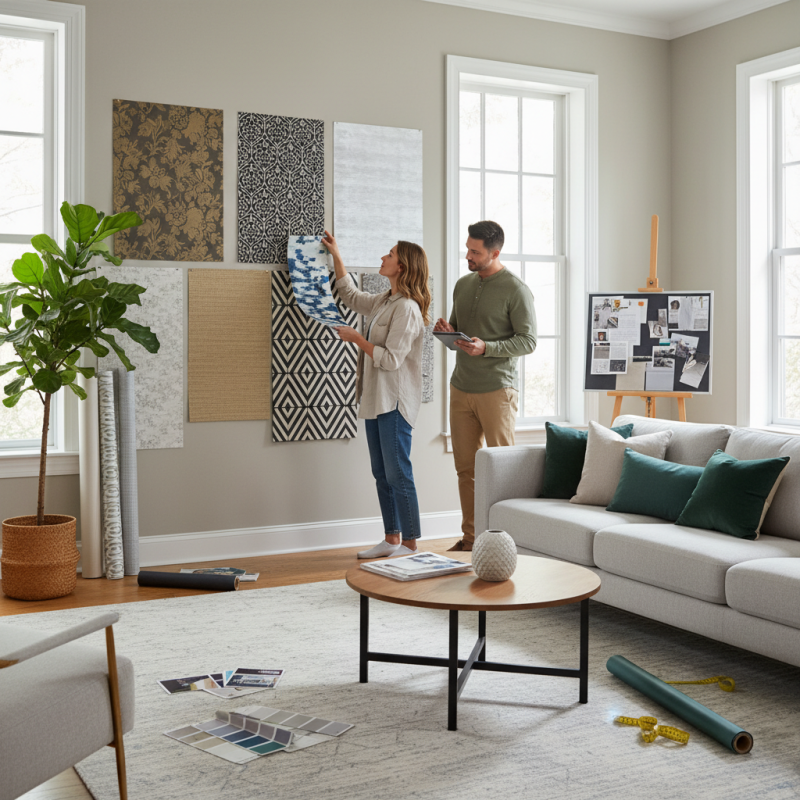
Understanding Different Types of Wall Covers for Home Decor
When selecting wall covers, understanding the types available is crucial. Wallpaper remains a popular choice. It offers endless designs and patterns. According to the Wallcovering Association, over 30% of homeowners prefer it for its versatility. Modern wallpapers can be washable or even removable. This makes them ideal for all spaces.
Paint is another classic option. More than 45% of homeowners opt for paint due to its ease of application. A fresh coat can dramatically change a room’s look. However, it can be less forgiving than wallpaper. Paint shows imperfections more easily. Some might find the maintenance challenging, especially in high-traffic areas.
Fabric covers, like upholstery or textile wall panels, add warmth. They can also provide sound dampening. The drawback is that they may require more care. Dust accumulation can tarnish their appeal over time. While beautiful, fabric isn't always practical, especially in homes with pets or children.
How to Choose the Best Wall Covers for Your Home Decor?
| Type of Wall Cover | Material | Durability | Maintenance Level | Cost Estimate |
| Paint | Liquid coating | Moderate | Low | $15 - $50 per gallon |
| Wallpaper | Paper or vinyl | High | Moderate | $20 - $100 per roll |
| Textiles | Fabric | Moderate | High | $10 - $30 per yard |
| Wood Paneling | Wood | Very High | Low | $30 - $70 per panel |
| Tiles | Ceramic or porcelain | Very High | Moderate | $5 - $30 per tile |
Evaluating Material Options for Durability and Aesthetics
Choosing wall covers for your home goes beyond aesthetics. The material you select impacts both durability and visual appeal. According to a recent industry report by the National Association of Home Builders, 70% of homeowners prefer wall materials that can withstand wear over time. This focus on longevity is crucial, especially in high-traffic areas.
When evaluating materials, consider options like vinyl, fabric, or eco-friendly paints. Vinyl wall coverings are often praised for their durability and ease of maintenance. They resist stains and are often wipeable. On the other hand, fabric can add warmth and texture to any room but may not be ideal for areas with heavy moisture.
Tips: If you choose fabric, look for synthetic blends. They tend to repel moisture better. Opt for washable options to ensure longevity. Remember, color selection also plays a role. Light colors can make a small space feel bigger, while dark shades can provide a cozy feel. Each choice should reflect your style and the room’s intended use. Be mindful of the trade-offs; balancing beauty with practicality is key.
Durability and Aesthetics of Different Wall Covering Materials
Choosing Color and Patterns to Complement Your Interior Design
Choosing the right colors and patterns for wall covers is crucial. Color can evoke emotions, and it impacts the overall vibe of your space. According to a survey by the National Association of Realtors, 68% of home buyers believe color significantly influences their home choices. Neutral tones like beige and gray remain popular, but bold colors can add character.
When selecting patterns, consider your existing furniture and decor. Larger patterns can overwhelm, especially in small spaces. A delicate floral pattern softens a room, while geometric designs can energize it. A report from the American Society of Interior Designers states that 63% of designers prefer mixing patterns for added depth. Small-scale patterns often work well with bold colors to create a balanced look.
Reflect on your space and lifestyle. Family life may call for durable materials that withstand wear. Alternatively, a tranquil retreat might benefit from soft tones and textures. Ultimately, the goal is to create a harmonious environment that reflects your personality. Achieving this balance is challenging yet rewarding.
Considering Installation Methods and Costs for Wall Covers
Choosing wall covers for your home involves more than just aesthetics. Installation methods and costs are key factors. Each type of wall cover has distinct installation challenges. If you're handy, some options may suit you well. Others might require professional help.
Consider peel-and-stick wallpaper for a DIY approach. It’s user-friendly and removable. However, the cost can add up, especially for larger areas. Traditional wallpaper often requires pasting and precise alignment. It can be more affordable, but labor might increase costs. Weigh these aspects before deciding.
When assessing costs, include not just the materials, but also installation. Estimate how much time you can spend. Will you manage the project alone, or hire a pro? Small mistakes can lead to higher expenses later. Reflect on your budget. Make adjustments if needed to find a suitable wall cover.
Maintenance Tips for Keeping Wall Covers Looking Fresh and New
Maintaining wall covers can seem daunting, but it's manageable with the right tips. Regular dusting is essential for keeping your wall covers fresh. Use a soft cloth or a duster at least once a week. This simple act helps prevent dirt buildup without damaging surfaces. For textured wall covers, a vacuum with a brush attachment works wonders.
Spot cleaning is crucial for any stains or spills. Blot stains immediately with a damp cloth. Avoid rubbing, as it can make the stain worse. Test any cleaning solution on a small area first to ensure it won't cause discoloration. Some substances, like wine or ink, may require special treatment, so be cautious.
Regular inspections are also important. Look for signs of wear or damage. Peeling, fading, or mold indicates it’s time for maintenance or replacement. Don't neglect ceiling areas, as they can accumulate dust and moisture. If your wall covers show significant wear, consider refreshing them every 5-10 years. Keeping them looking new requires attention, but the results are rewarding and make your home shine.