How to Choose the Right Home Connectors for Your Project?
Choosing Home Connectors is a small decision with lasting effects. The right option can keep a project tidy, dependable, and easier to maintain. The wrong one may loosen over time, resist installation, or fail to suit the conditions around it. A connector that looks sturdy is not automatically the right fit.
Start with the project itself. A lighting repair, a new appliance, and an outdoor fixture can call for different connector types. Check the wire material, gauge, number of conductors, and the connector’s stated capacity. These details matter. Also consider heat, moisture, vibration, and available space. A compact connector may fit neatly inside a crowded box, but only if it is approved for that use and compatible with the wiring.
Read the product label and manufacturer’s instructions rather than relying on appearance or a quick online recommendation. Look for clear ratings, installation guidance, and suitability for the intended setting. If those details are missing, pause. It is easy to focus on price or convenience; those are not the whole story. For electrical work, turn off power at the appropriate breaker and verify the circuit is de-energized before handling wiring. When the wiring is unfamiliar, damaged, or beyond your experience, consult a qualified electrician. There is no perfect connector for every project. A careful choice balances compatibility, safety, durability, and ease of installation—and sometimes the best decision is to ask for another opinion.
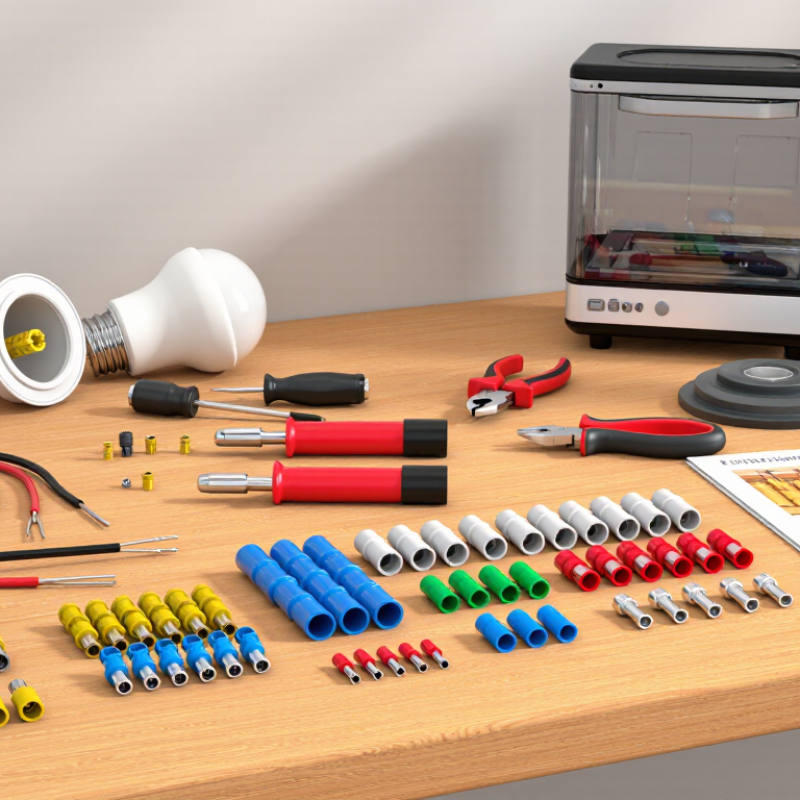
Define the Electrical or Plumbing Task Your Connector Must Perform
How to Choose the Right Home Connectors for Your Project?
Define the Electrical or Plumbing Task Your Connector Must Perform
Start with the actual job. Is the connector joining two copper conductors, extending a cable, or linking a water supply line beneath a sink? The answer narrows your options. For electrical work, identify conductor material and size, circuit load, voltage, and whether the connection will sit in a damp or crowded space. A connector suited to solid wire may not suit stranded wire. Check its ratings and installation instructions, not just its shape.
NFPA’s Electrical Fires report, based on U.S. data from 2015–2019, estimates that electrical distribution or lighting equipment was involved in 32,620 home structure fires each year. The report also estimates 430 civilian deaths and $1.3 billion in direct property damage annually. These figures do not mean a connector caused each fire, but they underline why electrical connections need correct ratings and secure installation. For plumbing, define the fluid, pipe material and diameter, operating pressure, temperature, and whether the line carries drinking water. A drain fitting and a pressurized supply connector solve different problems.
Measure the space, too. A connector that fits on paper may be awkward behind a cabinet or near a sharp bend. Note vibration, moisture, corrosion, and future access. One detail is easy to overlook: the exact pipe or wire material at the connection. Write down what you know before shopping, and flag what you do not. That small pause can prevent a mismatched part; if electrical ratings or plumbing conditions are uncertain, ask a qualified professional to verify them.
Compare Connector Types by Design, Capacity, and Intended Use
Home connectors differ in how they grip conductors and how easily they can be inspected. Screw terminals clamp wires beneath a plate or screw, making them useful in switches, outlets, and junction boxes. Tighten them to the specified torque; too little pressure can cause a poor connection, while too much may damage the conductor. Push-in connectors are compact and quick to install, but their markings matter. Some accept only solid wire, while others allow specific stranded-wire sizes.
Lever-style connectors use a movable clamp and can make removal or inspection easier. They suit projects where wiring may need adjustment, provided the connector is rated for the conductor type and size. Crimp connectors, by contrast, form a permanent joint when matched with the correct wire and crimping tool. They are common in stranded-wire applications, but an unsuitable crimp can look secure and still fail. Looks can mislead.
Capacity is not judged by connector size alone. Check the listed voltage and current ratings, wire gauge range, number of conductors, and compatibility with copper or aluminum wire. A connector used inside a dry, protected box may not suit a damp or exposed location. It is easy to focus on convenience and overlook one small marking. If the project involves fixed household wiring or the specifications are unclear, consult a qualified electrician before installation.
Assess Material Compatibility and Exposure to Moisture or Heat
Choosing a home connector starts with the materials being joined, not its shape. Copper and aluminum conductors expand and transfer heat differently, so use a connector explicitly rated for that conductor combination. A connector made for copper alone is not a safe substitute. Check wire size, strand type, and the connector’s temperature rating against the project requirements. Small details matter.
Moisture changes the decision. In a damp basement, outdoor junction box, or area near a sink, select components rated for that exposure and enclosure. Water can encourage corrosion, especially where dissimilar metals meet, and corrosion may increase electrical resistance. Keep connections inside a suitable, properly sealed enclosure; tape alone does not make a connection weatherproof. Dry rooms are easier, but still deserve care.
Heat needs equal attention. Near a boiler, in an attic, or beside a warm appliance, compare the connector’s temperature limit with expected ambient temperatures and the conductor rating. Do not judge suitability by touch or appearance. A snug fit can still be wrong. If the material, environment, or rating is uncertain, check the instructions and local requirements, or ask a qualified electrician. It can feel fussy. That is better than guessing.
Check Sizing, Ratings, and Applicable Safety Requirements
Choosing a home connector starts with the conductors, not its appearance. Check the wire gauge, material, and whether the wires are solid or stranded. Confirm that the connector accepts the exact number of conductors being joined. A snug fit matters. Loose wires can overheat.
Read the connector’s voltage and current ratings, then compare them with the circuit requirements. Its temperature rating and permitted installation location matter too, especially in warm enclosures or damp areas. Do not assume that similar-looking connectors have identical ratings. It is easy to overfocus on fit. I would also check whether the connector is specifically rated for the conductor materials involved, particularly when joining different metals.
Safety requirements vary by location and installation type. Consult applicable electrical codes and the connector’s instructions before choosing or installing it. Switch off the circuit and verify that power is absent with a suitable tester. Never rely on the switch alone. If the wiring, ratings, or local requirements are unclear, ask a qualified electrician. A small label can be hard to read, and that detail is worth checking twice.
Install the Connector and Inspect the Finished Connection
Before installing a home connector, switch off the circuit and verify it is de-energized with a suitable tester. Match the connector to the wire material, gauge, number of conductors, and installation location. Follow its stated strip length; exposed copper should not extend beyond the connector, and insulation should not sit inside the contact area. Small details matter.
After joining the wires, check that each conductor is fully seated and give each one a gentle pull. The connection should feel firm, with no movement or loose strands. Look for cracked housing, pinched insulation, or copper showing where it should not. Secure the connector inside the electrical box without forcing the wires into sharp bends. I have seen tidy-looking work that still needed a second check.
NFPA’s Home Electrical Fires report estimated an average of 46,700 U.S. home fires involving electrical failure or malfunction each year from 2015 through 2019. That figure covers many kinds of electrical failures, not connectors alone, but it reinforces why careful inspection matters.
If the connector feels warm, appears damaged, or does not match the wire, stop and reassess the installation. A visual check is useful, but it cannot confirm every hidden fault.