How to Choose the Right PVC Gasket for Your Needs?
Choosing the right PVC gasket is crucial for ensuring optimal performance in various applications. Whether you’re working on plumbing, automotive, or manufacturing projects, selecting the appropriate gasket can greatly impact efficiency and safety. PVC gaskets offer versatility and resistance to chemicals, making them a popular choice across industries. However, with the multitude of options available, it often feels overwhelming to make the right decision.
Understanding the specific requirements of your project is vital. Factors such as temperature range, chemical exposure, and pressure conditions must be considered. The quality of PVC gaskets varies significantly among manufacturers. Thus, educating yourself about material specifications can enhance your selection process. It’s essential to balance cost and performance. Sometimes, opting for a cheaper option may lead to complications down the line.
Reflecting on your experiences can also improve your decision-making. Think about past projects and how gasket performance affected results. Learning from those cases can guide you in your next purchase. In a world of choices, being informed about PVC gaskets is key. This knowledge will empower you to make confident decisions that meet your specific needs.
Understanding the Basics of PVC Gaskets and Their Applications
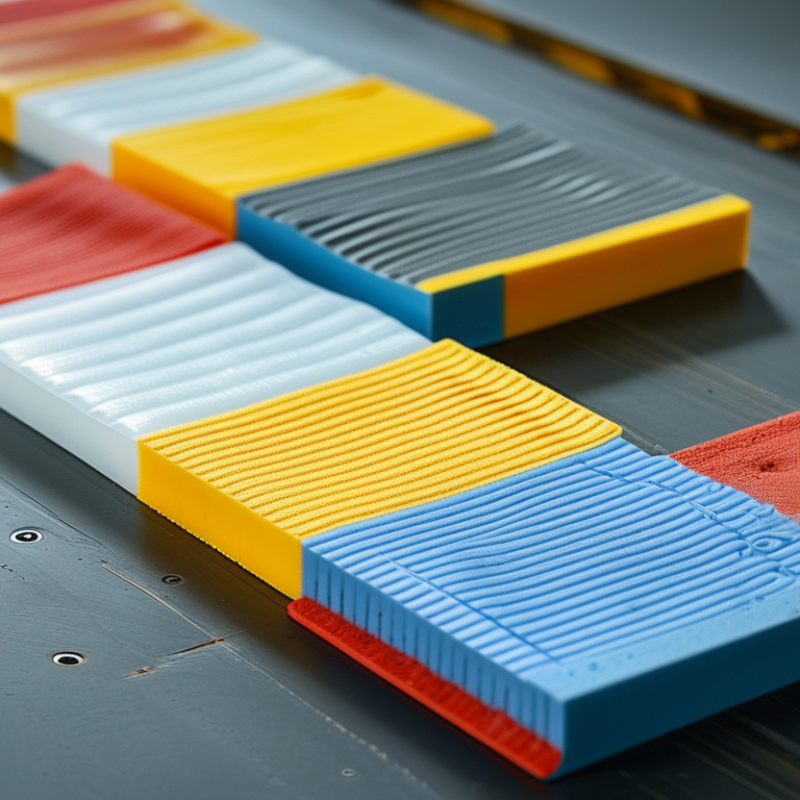
PVC gaskets play a crucial role in various industries. They provide sealing solutions in applications like plumbing, automotive, and construction. Understanding the basic characteristics of PVC gaskets helps in selecting the right one for your needs. Typically, these gaskets are durable, resistant to chemicals, and flexible. They can withstand various temperatures, making them effective in diverse environments.
When considering PVC gaskets, evaluate the specific requirements of your application. Think about the environmental conditions and the type of fluids they will encounter. Some applications may demand additional features, such as UV resistance or enhanced elasticity. This is where the imperfections in mass-produced options can affect performance. Not every gasket fits every scenario. Testing in real-world conditions can reveal weaknesses that standard specifications might overlook.
Another aspect to consider is the installation process. Incorrect application of a gasket can lead to leaks and failures. It is essential to ensure a proper fit and seal. For those new to using PVC gaskets, trial and error might be necessary. Observing how well a gasket performs over time gives valuable insights. Such experiences enhance your understanding and help in refining future selections.
How to Choose the Right PVC Gasket for Your Needs?
| Gasket Type | Applications | Temperature Range (°F) | Chemical Resistance | Thickness (inches) |
| Standard PVC Gasket | General piping and sealing applications | -40 to 150 | Moderate to strong acids | 0.062 |
| Soft PVC Gasket | Electrical insulation and soundproofing | -30 to 180 | Oil and grease | 0.125 |
| Cellular PVC Gasket | Sealing applications with flexibility | -20 to 140 | Low chemical resistance | 0.075 |
| Hard PVC Gasket | Structural support and load-bearing applications | -10 to 200 | Limited resistance to solvents | 0.050 |
Evaluating Different PVC Materials for Gasket Construction
When choosing a PVC gasket, you must evaluate the materials effectively. PVC, or polyvinyl chloride, comes in various grades. Each grade has unique properties that affect durability and performance. For instance, some grades resist chemicals better than others. This can impact the gasket's longevity in specific applications. Understanding the environment where the gasket will be used is crucial.
Different formulations of PVC can provide varying levels of flexibility and hardness. Softer PVC may offer better sealing capabilities, while rigid PVC can handle higher pressure. Knowing the application’s temperature range is also vital. Not all PVC materials can handle extreme temperatures without degrading. Even minor differences in material specifications can lead to significant performance issues. So, conducting thorough comparisons is essential.
Regular testing and validation play a key role in identifying the best material. Gasket performance under real-world conditions can differ from lab tests. Making informed choices requires a detailed look at each potential material's pros and cons. Over time, preferences may shift as new formulations emerge. It is important to remain adaptable and open to reevaluating previous decisions. This proactive approach can reduce the risk of gasket failure in critical situations.
Key Factors to Consider When Selecting PVC Gaskets
Choosing the right PVC gasket is essential for achieving effective seals in various applications. One key factor is temperature resistance. PVC gaskets vary in their ability to withstand heat and cold. If used in extreme conditions, a gasket that fails to perform can lead to leaks and costly damage. Consider the temperature range your gasket will face.
Another critical aspect is chemical compatibility. Different PVC gaskets can react differently to chemicals. Understanding the specific substances that will contact the gasket is vital. For example, certain cleaners may degrade some types of PVC. This can lead to significant performance issues. Ensure the gasket material aligns with the chemicals in your environment.
Think about the size and shape, too. Gaskets need to fit precisely to function properly. A misfit can cause improper sealing, leading to leaks. If the space is limited, special shapes may be necessary. It’s worth taking the time to measure accurately. While researching, you might find some gaskets that seem ideal but don't quite meet your needs. Reflect on the trade-offs, and don’t rush the decision. It's crucial to weigh all these factors carefully.
This paragraph contains additional content that provides more context about choosing PVC gaskets, complementing the content above.
Assessing Gasket Sizes and Shapes for Optimal Fit
Choosing the right PVC gasket goes beyond simple selection; it requires careful assessment of both size and shape. The perfect fit ensures effective sealing and minimizes the risk of leaks. Many overlook the importance of precise measurements. A gasket that is too large can lead to inefficient sealing, while one that is too small will not provide adequate protection.
When assessing shapes, consider the application. Round gaskets are common, but many use custom shapes for unique needs. Mismatched gaskets can cause unforeseen issues. Evaluating the installation environment is crucial. High temperatures or chemical exposure can alter the material's behavior. Gaskets must fit securely within their designated spaces to function optimally.
It's also essential to be aware of the limits of your gasket choices. Sometimes, a gasket looks fine but doesn’t perform well under stress. Regular inspections can reveal wear and tear. Gaskets may need replacing sooner than anticipated, especially if they have been exposed to harsh conditions. Balancing optimal fit with functionality is key to maintaining performance over time.
Common Mistakes to Avoid When Choosing PVC Gaskets
When selecting PVC gaskets, many make common mistakes that can lead to performance issues. One frequent oversight is not considering the specific application of the gasket. For example, a gasket designed for high-pressure systems may not perform well in lower-pressure environments. This misalignment can result in leaks or even system failures.
Another mistake is ignoring the environmental factors that affect the gasket's longevity. Exposure to extreme temperatures, chemicals, or UV light can degrade materials. According to industry reports, nearly 30% of gasket failures stem from improper material selection based on environmental conditions. Understanding these factors is vital for ensuring the right PVC gasket choice.
Lastly, buyers often overlook the importance of compatibility with other materials. For instance, a PVC gasket used with metal components may require specific considerations to avoid corrosion. Clear communication with suppliers about the application and conditions is essential. Such diligence can prevent costly rework and enhance the overall system reliability.
Choosing the Right PVC Gasket: Common Mistakes to Avoid