7 Green Sand Casting Tips for Buyers?
Buying Green Sand Castings involves more than comparing unit prices. A low quote may hide extra machining, inconsistent dimensions, or delays caused by unclear specifications. Green Sand Cast parts are formed in reusable sand molds, so mold condition, sand control, and process discipline can affect surface finish and repeatability. Buyers should understand these factors before approving a production order.
The seven tips in this guide focus on practical checks: defining the part’s use, sharing clear drawings, reviewing alloy and tolerance requirements, and asking how the supplier controls quality. Request a representative sample, not just a polished product photo. Look closely at edges, parting lines, and machined areas. Small details matter. Ask about inspection records, lead times, tooling ownership, and how defects are handled. A capable supplier should explain its process in plain terms and support claims with relevant evidence. Still, no checklist removes every risk; requirements differ by part, and a first sample may not reveal long-run variation. That is worth remembering. Use these questions to compare suppliers fairly, spot gaps early, and make a decision based on fit, consistency, and total cost—not price alone.
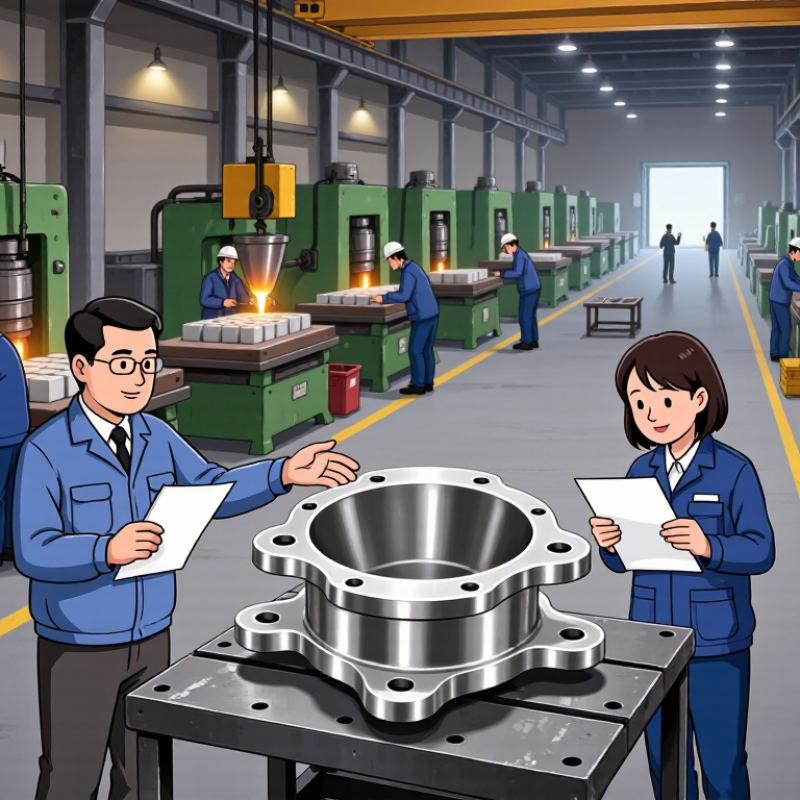
Understanding Green Sand Casting and Its Best-Fit Applications
Green sand casting uses a reusable sand mixture containing clay and water to form a temporary mold. A pattern presses the cavity into the sand, and molten metal fills it through channels called gates and runners. The name refers to the mold’s moisture, not its color. After the metal cools, the mold is broken open and the casting is cleaned.
This process often suits iron and aluminum components with moderate detail, such as pump housings, brackets, and machine bases. It can handle a wide range of part sizes, and sand molds are relatively inexpensive to make. That matters. For buyers ordering repeated parts, the method may balance tooling cost and production volume well. Still, “low cost” depends on the part’s geometry, material, order quantity, and required finishing.
Expect a textured surface and some variation between castings. Thin walls, tight tolerances, or fine cosmetic details may require extra machining or a different process. Not every part fits. Ask suppliers how they control moisture, mold compaction, and dimensional variation; these details affect consistency. Review sample castings and critical measurements before approving production. Even a simple-looking housing can need more machining than expected.
Define Part Specifications Before Requesting a Foundry Quote
Before requesting a green sand casting quote, define the part in a way a foundry can evaluate. Send a dimensioned drawing with material grade, expected order quantity, and any critical tolerances clearly marked. If a surface will be machined, identify the area and leave machining allowance for the foundry to review. Details change costs.
Specify the part’s working conditions, too. Note the load, temperature, exposure, or fluid contact if these affect material selection. Show holes, pockets, thin walls, and features that may require cores. A simple 3D model can help clarify the shape, but it should match the drawing’s revision. A mismatch can lead to avoidable questions—or a quote based on the wrong geometry.
Some requirements are easy to overlook. State whether cosmetic blemishes are acceptable, which surfaces need a particular finish, and how castings should be inspected. Be realistic about tolerances: tighter limits may require extra machining or inspection, and not every feature needs the same precision. Even a detailed request may leave an open question. Invite the foundry to flag unclear dimensions or suggest design adjustments before pricing. That conversation can expose a weak assumption, such as a wall thickness that looked fine on screen but may be difficult to fill consistently.
Assess Supplier Experience, Process Controls, and Equipment
A buyer should verify experience with castings close to the target part’s weight, alloy, and geometry. Ask for recent examples, typical rejection rates, and how defects were investigated—not just a list of customers. The World Foundry Organization’s 2022 census reported 110.5 million tonnes of global casting production. That scale shows how established the sector is, but it does not prove any one supplier’s capability. Request evidence from the actual production line. A sample inspection report is useful.
Process control should be visible on the shop floor. Check how often operators measure green-sand moisture, compactability, and permeability, and what happens when readings drift. Ask to see recorded results beside the batch or molding line. Look for documented corrective actions, not verbal assurances. Small deviations matter. A supplier may have good procedures on paper, yet inconsistent sampling can leave problems unnoticed. I would ask how controls changed after a real quality issue.
Equipment condition deserves the same scrutiny. Inspect the sand mixer, muller, molding machine, and sand-reclamation system for maintenance records and calibration status. Ask whether the line can hold the required mold dimensions during a full shift, not only during a trial. A polished tour can mislead. It is reasonable to request a production trial and compare its results with the supplier’s normal inspection data. I would still want independent checks; no single audit catches everything.
Compare Tooling Costs, Lead Times, and Order Requirements
Green sand casting quotes are easier to compare when the scope is clear. Ask whether the tooling price covers a pattern, core boxes, and any required revisions. A simple shape may need less tooling than a part with deep cavities or several cores. Check who owns the tooling and what storage or maintenance costs apply. The lowest quote can mislead.
Compare lead times from drawing approval, not just from order placement. Ask when pattern making, first casting, inspection, and sample approval are expected. A supplier may quote a short production window but exclude tooling and sample checks. Get each milestone in writing. Details matter.
Order requirements can change the real unit cost. Confirm minimum quantities, batch sizes, packaging, and whether mixed part sizes are accepted. Share the alloy, critical dimensions, surface expectations, and annual demand before requesting firm pricing. Small orders may carry higher per-piece costs, while large forecasts can still be wrong. A forecast is a guess. Ask what happens if demand shifts, or if a sample needs adjustment. One overlooked core or late drawing change can add both time and cost. Compare quotes line by line, and leave room for questions.
7 Green Sand Casting Tips for Buyers
Indicative Lead-Time Planning Ranges
These broad planning estimates are not guaranteed delivery times. Actual timing depends on part complexity, pattern and core requirements, order quantity, approvals, and foundry capacity. Tooling costs and minimum order quantities vary by project, so request them separately in your quotation.
- Provide a complete drawing, alloy specification, and annual volume forecast.
- Ask whether existing patterns or tooling can be used, and confirm ownership.
- Request tooling, sample, production, and finishing costs as separate quote items.
- Confirm pattern, core-box, and machining requirements before approving the design.
- Agree on tolerances, inspection criteria, and any required certifications.
- Ask for the minimum batch size and whether staged releases are available.
- Confirm sample approval, production lead time, packaging, and delivery terms in writing.
Verify Samples, Inspection Results, and Production Consistency
Before approving a green sand casting supplier, request samples made with the alloy, tooling, and molding process intended for your order. A hand-finished sample may look excellent while hiding variation in ordinary production. Ask for several pieces, not just the best one. Check critical dimensions with calipers, and inspect corners, parting lines, and thin sections for sand inclusions or surface defects.
Request inspection results tied to the sample or production lot. Useful records may include dimensional checks, material certificates, hardness readings, and notes on rejected parts. Confirm how measurements were taken and which features are critical to fit. A report without clear part identification is difficult to verify. Keep records. Compare the supplier’s results with your own incoming checks, especially during the first deliveries.
Consistency matters more than one impressive casting. Ask how the foundry monitors moisture, sand condition, pouring temperature, and pattern wear, and how it documents process changes. Agree on a sampling frequency and a clear response when results fall outside your limits. Then compare parts from early and later batches. Small differences can be normal, but repeated shifts deserve attention. No checklist catches everything; even careful buyers may need to revise inspection points after seeing real production parts.