
2026 Top Galvanized Closed Head Steel Drum Suppliers?

Choosing the right Galvanized Closed Head Steel Drum supplier requires more than comparing prices. Buyers should examine steel thickness, zinc-coating consistency, seam quality, bung design, gasket material, and closure torque. These details affect stacking stability, leak resistance, and performance during warehouse handling. A reliable supplier should also provide batch records, dimensional reports, coating information, and test documentation.

Dr. Susan E. Selke, a respected packaging professor and author, has said, “Packaging is a system, not simply a container.” This principle matters when evaluating Galvanized Closed Head Steel Drum manufacturers. The drum, coating, closure, pallet, transport route, and filling process must work together. A bright galvanized surface may look impressive, but appearance alone proves little. Ask about coating adhesion, internal protection, and inspection frequency.

The 2026 supplier landscape may include large global manufacturers, regional fabricators, and specialized distributors. Each option has strengths. Large producers often offer consistent volumes. Smaller suppliers may provide faster customization. Neither choice is automatically better. Buyers should compare minimum order quantities, lead times, tooling capability, export experience, and after-sales support.

Some purchasing teams overlook practical details. Can the supplier replace damaged drums quickly? Are drawings controlled? Are samples tested before full production? These questions deserve clear answers. Supplier claims should be checked against current certificates and independent inspection results. This guide evaluates leading candidates through those measurable factors, while recognizing one limitation: market rankings can change as capacity, pricing, and quality performance shift.
2026 Top Galvanized Closed Head Steel Drum Suppliers?

What Are Galvanized Closed Head Steel Drums?

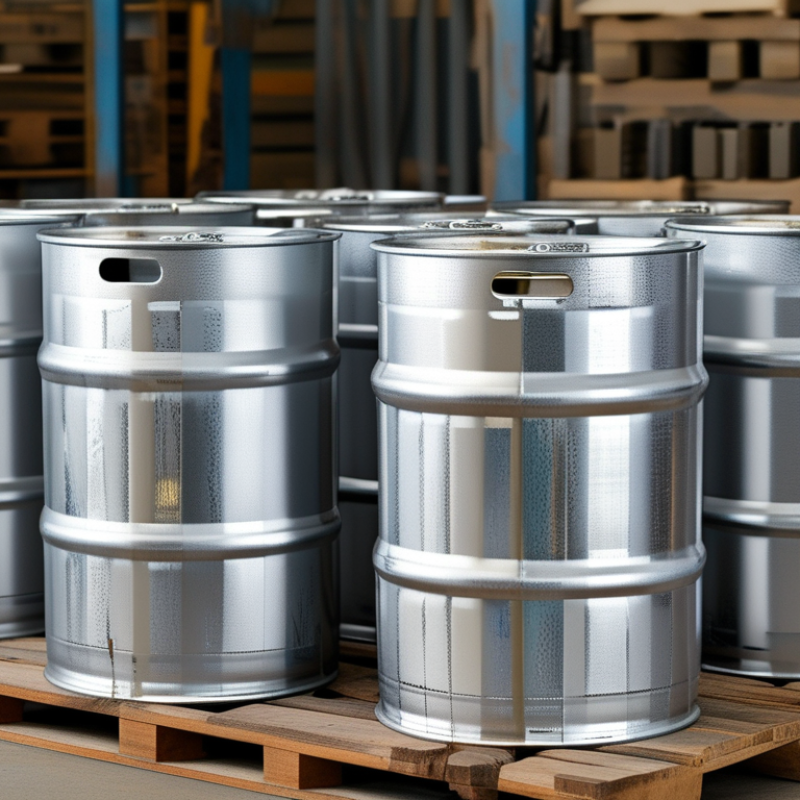
Galvanized closed head steel drums are rigid cylindrical containers made from steel coated with zinc. The zinc layer helps slow rust when moisture reaches the outer surface. “Closed head” means the top is permanently attached, leaving only small openings for filling and dispensing. These openings usually accept threaded plugs, gaskets, and compatible fittings. The drum body commonly includes rolling hoops for safer handling. It looks simple.

Manufacturers adjust the steel thickness, zinc coverage, seam design, and opening style for different storage needs. Common capacities include 30 and 55 gallons, although regional sizes vary. These drums can hold industrial liquids, powders, lubricants, and maintenance materials when the contents match the drum lining and closure materials. Galvanized steel offers useful exterior protection, but it is not suitable for every chemical. Acidic or highly alkaline contents may attack the zinc coating. A compatibility review matters before purchase.

A dependable supplier should provide material details, closure specifications, dimensional tolerances, and inspection records. Ask about coating consistency, weld quality, lid fit, and gasket performance. Small defects can become expensive leaks. I would not judge a drum by its shiny surface alone. Dents, weak seams, or poorly fitted plugs may remain hidden during a quick visual check. Practical buyers should request samples and confirm applicable packaging standards before placing a large order. Supplier reliability also includes steady production, careful packing, and responsive technical support.

2026 Top Galvanized Closed Head Steel Drum Suppliers? — What Are Galvanized Closed Head Steel Drums?

Galvanized closed head steel drums are rigid steel containers coated with zinc for improved corrosion resistance. Their non-removable top typically includes bung openings for filling, dispensing, and venting. The chart shows common nominal drum capacities, converted from U.S. gallons using 1 U.S. gallon = 3.78541 liters.

Capacity is nominal and may vary slightly by manufacturer, drum design, and regulatory specification. Supplier selection should also consider steel gauge, zinc coating, bung configuration, UN certification, closure compatibility, and intended contents.

Key Specifications for Choosing the Right Steel Drum

Choosing a galvanized closed head steel drum starts with measurable specifications, not supplier rankings. Confirm nominal capacity, tare weight, body gauge, internal diameter, and total height. The closure system matters equally. Check the bolt-ring or lever-lock design, gasket material, torque guidance, and pressure-test evidence. ISO 15750 offers a useful reference for steel drum dimensions and closures. The 2025 World Steel in Figures report records approximately 1.88 billion tonnes of crude steel produced in 2024. That scale supports steel availability, but it does not prove drum quality. Each lot still needs inspection.

For storage and transport, compare coating thickness, weld consistency, seam protection, stacking load, and corrosion resistance. Galvanizing can protect exposed steel, yet damaged areas may corrode faster in humid or salty environments. Ask for coating test results, dimensional tolerances, leak-test records, and traceability documents. For regulated shipments, verify the applicable UN packaging approval and testing level. World steel data also estimates roughly 680 million tonnes of steel are recycled annually. Recyclability is valuable, but mixed coatings and residues can complicate recovery. That detail is easy to overlook.

Tips:
Request one production sample before approving a large order. Fill it with water, inspect the closure, and measure deformation after stacking. Do not automatically select the heaviest gauge. Extra weight can raise handling costs without improving protection. Document results with photos and batch numbers. A spreadsheet beats memory.

How to Evaluate Galvanized Steel Drum Suppliers in 2026

In 2026, evaluating galvanized closed head steel drum suppliers requires more than comparing prices. Examine the steel grade, zinc coating thickness, drum capacity, seam quality, and closure design. Ask for recent inspection reports, material certificates, and corrosion-test results. Reliable suppliers should explain their quality controls clearly, not hide behind generic claims.

Tips: Request production samples before placing a large order. Measure wall thickness, inspect the lid gasket, and check the bung threads. Confirm whether dimensions remain consistent across batches. A polished website is not proof of manufacturing strength. Factory photographs, audit records, and traceable batch numbers provide stronger evidence. I have seen attractive samples fail during repeated handling, so testing should include stacking, vibration, and leak checks. Small differences can become expensive problems.

Evaluate production capacity, lead times, packaging methods, and communication speed. Ask how the supplier manages rejected materials and corrective actions. Experienced suppliers usually provide practical answers, supported by records. They should also identify suitable standards for storage and transport in your market. Do not accept certificates without checking their dates and scope. One weakness remains easy to miss: a supplier may perform well during sampling but struggle with volume orders. A written quality agreement can reduce that risk, although it cannot replace independent inspection. Temperature changes, rough loading, and warehouse humidity should influence your final assessment.

Leading Supplier Profiles and Product Capabilities

In 2026, leading galvanized closed-head steel drum suppliers are judged by more than catalog size. Strong supplier profiles show proven factory experience, clear quality records, and responsive technical support. Experienced teams can explain steel thickness, zinc coating weight, bung design, and gasket selection without vague promises. They should also provide batch traceability, inspection reports, and practical sampling procedures. That evidence matters.

Product capabilities vary widely. Reliable manufacturers may offer 20-, 30-, and 55-gallon drums with reinforced ribs, tight closures, and corrosion-resistant galvanized surfaces. Some provide different bung threads, liner options, and pallet configurations for specific handling systems. Skilled production lines use automated welding, controlled forming, and leak testing. Drop testing and dimensional checks should be documented, not simply mentioned. Small details matter, especially around seams and closure threads.

Real purchasing experience still requires caution. A supplier may present excellent samples, yet struggle with repeat orders or changing specifications. Ask for recent production data, inspection methods, and delivery performance. Review how the factory handles dents, coating variation, and rejected units. No supplier fits every application. That is worth remembering. A thoughtful comparison should balance price, capacity, technical communication, and after-sales responsibility. The best profile is not always the largest one; it is the supplier that can consistently produce the required drum and explain its limits clearly.

2026 Top Galvanized Closed Head Steel Drum Suppliers? - Leading Supplier Profiles and Product Capabilities
Supplier Profile Primary Supply Region Common Capacities Drum Type Steel and Galvanizing Configuration Closure Options UN Packaging Capability Interior Protection Quality and Testing Focus
Profile 01 North America 15, 30 and 55 US gal
(approximately 57, 114 and 208 L)
Open-head and closed-head steel drums, with closed-head models configured for liquids Galvanized carbon-steel body; common commercial gauges include approximately 0.8–1.2 mm, subject to design and load requirements 2-inch bung 3/4-inch bung Bolt-ring or lever-lock options on compatible designs UN 1A1 performance packaging available for qualified models and approved contents Unlined galvanized surface or optional internal lacquer, epoxy-phenolic or polymer lining Leak testing, seam inspection, dimensional checks, coating verification and closure-torque control
Profile 02 Western Europe 30 and 60 L; 110–120 L; 208–216 L Closed-head tight-head drums for chemicals, lubricants, coatings and industrial liquids Electrogalvanized or zinc-coated steel options; body and end construction selected according to chemical compatibility and transport requirements G2 bung G3/4 bung Screw-plug closures with gasketed sealing components UN-tested versions may be supplied for applicable packing groups and regulated liquids Plain galvanized interior, solvent-resistant lining or product-specific internal coating Traceability of steel coil, weld and seam checks, pressure or leak testing, and batch documentation
Profile 03 East Asia 20, 25, 30, 55 and 60 gal; metric sizes commonly available High-volume closed-head drums for export packaging and general industrial use Cold-rolled steel with zinc coating; reinforced rolling hoops and pressed ends available for handling-intensive applications 2-inch NPT 3/4-inch NPT Threaded plugs, gaskets and tamper-evident sealing options UN 1A1 models available when the design, closure and production batch have completed the required performance tests Galvanized interior or optional phenolic, epoxy or polyethylene-based lining Drop, stack, hydrostatic-pressure and leakage tests may be included according to the selected UN design
Profile 04 South Asia 100, 160, 200 and 210 L; other capacities produced to order Closed-head drums for oils, resins, paints, solvents and non-food industrial liquids Zinc-coated mild steel with optional heavier-gauge construction for stacking, long-distance transport or demanding filling conditions G2-inch G3/4-inch Plug-and-gasket sets, protective caps and tamper-evident components UN performance-marked configurations available for selected capacities and contents Unlined, lacquer-lined or epoxy-lined interiors; lining selection should be matched to the filled product Coating-weight checks, weld integrity, roundness, bung alignment, leak testing and pallet-load evaluation
Profile 05 Middle East and Africa 100–220 L, including widely used 200 and 210 L formats Galvanized tight-head drums designed for bulk liquid distribution in hot and dry climates Corrosion-resistant zinc-coated steel; optional exterior paint, UV-resistant identification markings and reinforced chimes Standard threaded bungs Gasketed plugs Closure kits selected for chemical, petroleum or general-purpose service UN-certified supply can be specified for dangerous goods where required by the transport route Plain galvanized steel or chemical-resistant lining; compatibility review recommended for aggressive liquids Seal integrity, corrosion resistance, stacking strength, closure security and transport-condition simulation
Profile 06 Latin America 55 US gal and 200–220 L; custom metric configurations may be available Closed-head drums for food-adjacent, agricultural, chemical and general manufacturing applications Galvanized steel body with optional painted exterior; gauge and reinforcement selected according to handling and stacking needs 2-inch bung 3/4-inch bung Gasketed plugs with optional dust caps or tamper-evident seals Qualified UN 1A1 designs may be available for liquid dangerous-goods transport Plain, lacquered or epoxy-phenolic internal finishes; food-contact suitability requires separate documentation Visual inspection, dimensional control, seam and bung checks, leak testing, coating inspection and lot traceability
Profile 07 Eastern Europe and Central Asia 60, 100, 200 and 216 L Closed-head steel drums for industrial chemicals, lubricants and petroleum-related products Zinc-coated low-carbon steel; reinforced versions available for multi-tier storage and repeated mechanical handling G2 bung G3/4 bung Threaded closures with elastomeric gaskets selected for the product chemistry UN-tested 1A1 configurations may be supplied for regulated liquid shipments Galvanized interior, epoxy lining or other specified protective coating Stacking and drop performance, leakage checks, closure compatibility, weld quality and corrosion assessment
Profile 08 Oceania 20, 60, 205 and 210 L Closed-head drums for mining, agricultural, maintenance and chemical supply chains Galvanized or zinc-coated steel; heavy-duty options typically include reinforced hoops and impact-resistant chimes 2-inch bung 3/4-inch bung Closure assemblies supplied with compatible gaskets and sealing plugs UN-approved models may be specified for dangerous goods, subject to product and transport requirements Unlined galvanized construction or internal coating selected for corrosion and contamination control Leak, drop, stack, pressure and closure tests; documentation should identify the applicable standard and design type
Procurement note: Actual availability, UN certification, coating type, lining compatibility, capacity, steel gauge and closure specification must be confirmed against the supplier’s current technical datasheet and the intended contents. Common references for steel drums include UN packaging requirements and ISO 15750-1 for steel drums.

Safety, Compliance, Pricing, and Ordering Considerations

When selecting 2026 galvanized closed head steel drum suppliers, safety documentation should lead the buying decision. ISO 15750 defines requirements for steel drums, including dimensions, closures, and performance testing. For regulated transport, ask for current UN packaging certification, production-batch traceability, and leakproofness records. The UN Model Regulations, Rev. 23, require packaging performance tests based on drop, stacking, and pressure conditions.

Check the details.

Galvanizing quality matters in humid warehouses and coastal transport. Request coating-weight data, weld inspection records, and closure torque specifications. A 2024 World Steel Association report recorded approximately 1.88 billion tonnes of global crude steel production in 2023, but high output does not guarantee consistent drum quality. Supplier audits still matter. OSHA’s Hazard Communication Standard also supports clear labeling and safety data communication for workplace handling. Local transport rules may add different marking requirements, so confirm them before ordering.

Pricing depends on steel thickness, coating, closure design, certification, pallet quantity, and freight distance. Compare landed cost, not only the quoted drum price. Ask whether prices are fixed for 30 days or linked to steel indexes. Order samples before committing to a full container. Test closure fit, dent resistance, internal cleanliness, and stacking stability. A supplier may provide attractive pricing yet lack reliable replenishment. That risk is easy to underestimate. Include tolerances, inspection rights, replacement terms, delivery dates, and minimum order quantities in the purchase contract. Need less optimism. Supplier performance should be reviewed after the first shipment.

Translate