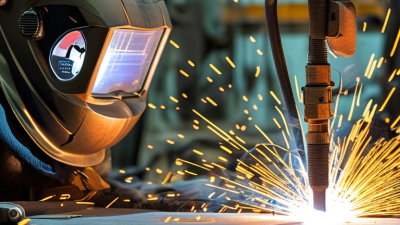
Automated fabrication technology is reshaping how manufacturers cut, form, join, and finish parts. Yet choosing a system takes more than comparing machine specifications. For buyers in 2026, the right investment depends on materials, production volume, part complexity, available floor space, and operator skills. A fiber laser may suit thin stainless-steel panels, while a press brake or robotic cell may better match other jobs. The best fit is the one that meets real production needs, not the one with the longest feature list. Details matter.
This guide compares fabrication options through practical buying criteria: capacity, accuracy, throughput, software integration, maintenance needs, training, and supplier support. It also considers how equipment fits into an existing workflow, from loading raw stock to inspecting finished parts. Ask suppliers for sample parts, clear cycle-time assumptions, and service-response details. Check whether quoted performance reflects your actual material thicknesses and batch sizes. Numbers can mislead. A fast machine may still create a bottleneck if setup takes too long or skilled operators are difficult to schedule. No comparison can replace a production trial, and even a careful forecast can miss an unexpected constraint. Use the information here to narrow your shortlist, verify claims, and identify questions before requesting a formal quotation. The goal is a dependable, supportable system with measurable value over time, not automation for its own sake.
2026 Best Automated Fabrication Technology for Buyers
CNC machines cut, mill, or turn material from programmed instructions. They suit repeatable parts with defined dimensions, such as aluminum brackets or steel shafts. A buyer should check achievable tolerances, tool-change time, and how quickly operators can set up a new job. Fast cutting is useful only when parts pass inspection.
Robots can load machines, weld assemblies, or move components between stations. They reduce repetitive handling, but require suitable guarding, programming, and maintenance. That matters. A robot may wait idle if upstream parts arrive late. Automation cannot repair a poorly planned workflow.
Additive manufacturing builds parts layer by layer, often helping with prototypes or shapes that are difficult to machine. It may not be the economical choice for every production run. Material behavior and post-processing affect the final part. Ask how parts will be inspected, finished, and tested.
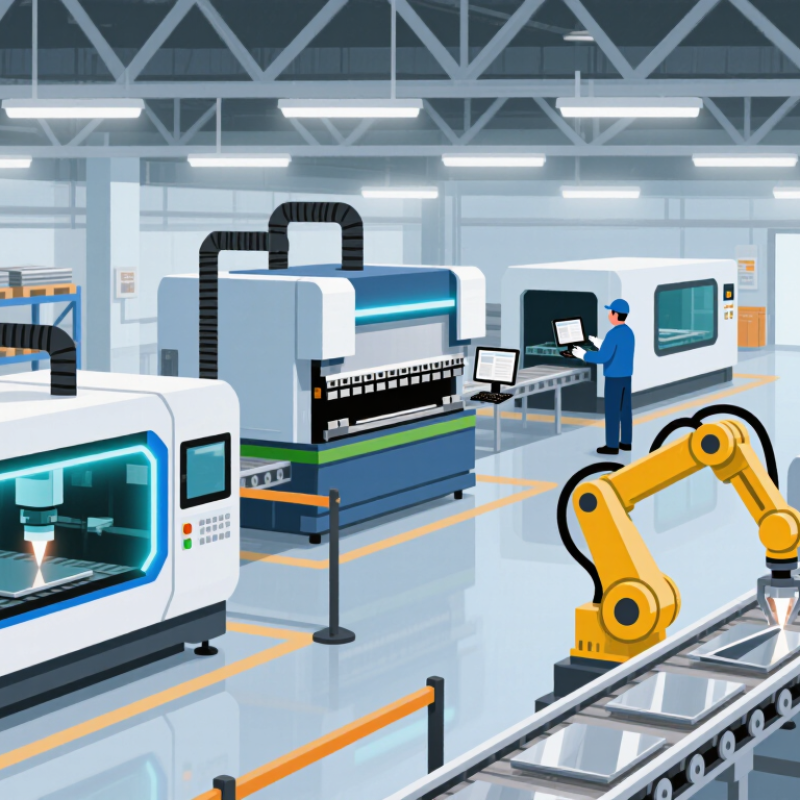
Fabrication cells combine equipment, people, and material flow around a sequence of tasks. A cell might connect cutting, robotic handling, and inspection. Not always. Cell design depends on part variety, order volume, floor space, and staffing. One awkward truth: automation can expose a weak process rather than fix it. Compare the full operating cost, including training, maintenance, fixtures, and downtime. Ask suppliers to demonstrate a representative part, then check the results against your own drawings and quality requirements.
The International Federation of Robotics reported 4.28 million industrial robots in operation worldwide in 2023. This figure describes the installed global stock, not robots purchased during that year. It offers buyers a useful baseline: industrial automation is established, but adoption still varies sharply by factory, process, and region.
That number is impressive, but it can also mislead. A robot count does not show whether a fabrication line cuts, welds, handles, or inspects parts well. Buyers should examine the work cell itself: part dimensions, cycle time, changeover needs, guarding, and operator access. Watch a real production run. Note how often workers reposition a metal sheet or correct a weld path. Small interruptions add up.
Ask suppliers for measurable evidence from a similar task, including repeatability, uptime assumptions, and maintenance intervals. Compare the full cell, not just the robot arm. Controls, fixtures, sensors, and integration can shape performance as much as the machine. A polished demonstration is not the factory floor. And estimates can be optimistic. Record the assumptions behind any projected savings, then check whether your own staffing, floor space, and product mix support them.
2026 Best Automated Fabrication Technology for Buyers
Process Selection: Compare CNC Machining, Robotic Welding, Laser Cutting, and 3D Printing
Selecting an automated process starts with the part, not the machine. CNC machining suits components needing tight tolerances, such as aluminum housings with precisely bored holes. It can remove substantial material, though, so compare machining time and scrap against the required finish. Robotic welding works well for repeatable seams on assemblies. Consistent results depend on stable fixtures, accessible joints, and careful programming. For short runs, setup can outweigh the time saved.
Laser cutting quickly produces sheet-metal profiles and clean edges, but material thickness and heat effects influence the result. 3D printing can make prototypes, complex internal channels, or low-volume parts without dedicated tooling. Its surface may need finishing, and strength can vary with build direction. A tidy spreadsheet can still mislead: inspection, setup, and operator adjustments affect real production costs.
Tips: Request a sample part and compare its dimensions, edge quality, or weld consistency with your requirements. Ask for setup and inspection time, not just cycle time. Then reassess the choice after a pilot run; actual results may differ from estimates.
Process selection: compare representative dimensional accuracy ranges for CNC machining, robotic welding, laser cutting, and 3D printing.
Typical planning ranges for absolute dimensional deviation (mm); lower values generally indicate tighter dimensional control. Actual results depend on material, part geometry, equipment, setup, and inspection method. Treat these ranges as indicative, not guaranteed specifications.
Assess throughput, tolerances, materials, integration, and safety together. A machine’s advertised cycle time means little if loading, inspection, or changeovers create delays. Ask for production data using parts similar to yours. A sample run should include setup time, scrap rate, and sustained output—not just one fast cycle.
Check tolerances across a full shift, not only on a freshly calibrated machine. Request measurement records and learn how temperature, tool wear, and material variation affect results. Confirm the system handles your actual material grades and thicknesses. A test on a convenient substitute can be misleading. Integration also needs practical review: inspect data connections, operator controls, maintenance access, and how faults are reported. Map each safety zone and verify that guards and emergency stops remain accessible during routine work.
Details get missed.
The International Federation of Robotics reported 162 industrial robots per 10,000 workers worldwide in 2023. This figure offers buyers a useful benchmark, not a target every factory must match. Automation levels vary by industry, production volume, and local skills. A busy fabrication line may benefit from robotic welding, while a shop handling frequent custom jobs may need more flexible equipment. The number alone cannot tell you which system will pay off.
For buyers, the practical question is where workers lose time to repetitive, physically demanding tasks. Look closely at cycle times, rework, changeovers, and safety needs. A robot beside a welding cell might improve consistency, but only if parts arrive reliably and fixtures hold them in place. Small details matter. I have seen plans look convincing on paper, then struggle with uneven material or rushed programming. That deserves a second look.
Tips: Map one production bottleneck before comparing equipment. Ask suppliers for cycle-time estimates based on your actual parts, not ideal samples. Check maintenance access, operator training, and integration costs. Start with a contained pilot, then measure output and quality over several weeks. The benchmark is a reference point, not a promise.