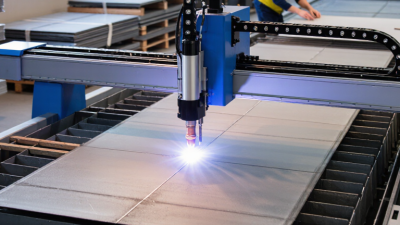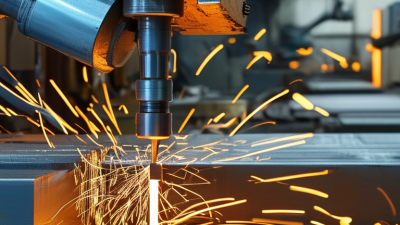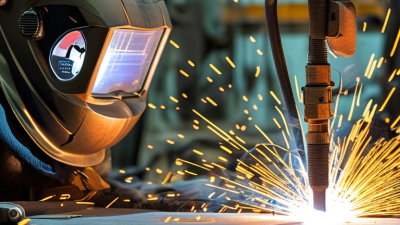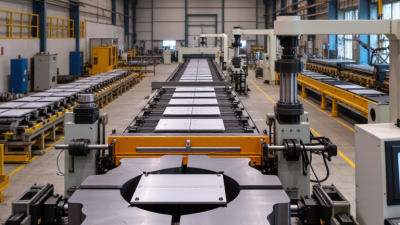
Choosing the right Thermal cutting systems can shape productivity, accuracy, safety, and long-term operating costs. A poor match may create rough edges, excessive heat distortion, or unnecessary downtime. The decision deserves more than comparing machine prices.
This guide presents seven practical tips for evaluating cutting technology in real workshop conditions. It considers material types, thickness ranges, cutting speed, edge quality, energy use, maintenance, and operator training. For example, a fabricator cutting six-millimeter steel daily may value plasma speed. A manufacturer processing thin stainless sheets may prefer laser precision. Oxy-fuel can still serve heavy plate applications, but its heat-affected zone requires careful planning.
Experience on the shop floor often reveals details brochures miss. Watch how easily operators load sheets, clean consumables, adjust settings, and inspect finished edges. Ask suppliers for documented test cuts using your own materials. Independent certifications and service records can strengthen confidence, although they do not guarantee perfect results.
There is no universal best system.
Budget limits can complicate every choice. A faster machine may demand expensive consumables, specialized ventilation, or frequent calibration. A cheaper option may appear practical, yet lose value through slower production and rework. This guide encourages careful comparison, realistic trials, and honest reflection about present needs. Your first choice may not remain ideal as production changes. That is worth considering.
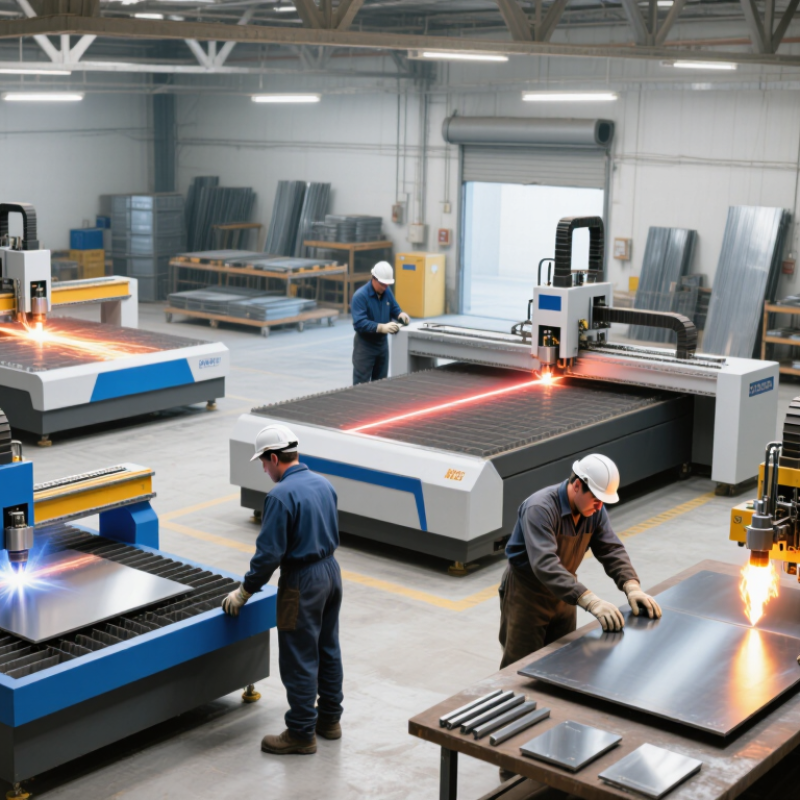
Choosing a thermal cutting system starts with the job, not the machine catalog. Define the material, thickness, part size, edge tolerance, and daily production volume. Mild steel at 6 mm behaves differently from stainless steel at 25 mm. Aluminum also changes the decision because heat spreads quickly. Write these details down. Small omissions become expensive later.
Ask what the finished edge must look like. A rough edge may suit a support bracket, while a precision flange needs tighter control. Check the heat-affected zone, kerf width, piercing time, and expected distortion. If holes are required, include their diameter and position accuracy. Do not judge speed alone. Fast cutting can create dross, taper, or rework.
In practical trials, I compare sample cuts using the actual grade and thickness. One test plate is rarely enough. Check the top edge, underside, corners, and small openings after cooling. Record gas use, power demand, consumable wear, and operator adjustments. These notes support a more reliable cost estimate. They also expose weaknesses that brochures often overlook.
The work environment matters too. Measure table space, extraction capacity, noise limits, and available electrical service. Consider whether operators can load sheets safely and repeat settings consistently.
A system may meet its advertised thickness, yet struggle with thin details or long production runs. I have learned to leave room for uncertainty. Material batches vary, and shop conditions are never perfectly stable. Choose settings that are adjustable, documented, and easy to verify.
Choosing a thermal cutting system starts with the material, thickness, and required edge quality. Oxy-fuel cutting suits thick carbon steel and keeps equipment relatively simple. It uses heat to oxidize the metal, but the heat-affected zone can be wide. Warping may also appear on thinner sheets.
Plasma cutting works faster on mild steel, stainless steel, and aluminum. It produces a narrower heat-affected zone than oxy-fuel. However, the cut edge may show angularity, dross, or a rougher finish. Shop air can reduce operating costs, although moisture control matters. I have seen poor air filtration shorten consumable life within days. That detail is easy to overlook.
Laser cutting offers excellent precision, small kerfs, and clean edges on many thin and medium-gauge materials. It usually needs stable power, accurate setup, and careful lens maintenance. For very thick steel, operating costs may rise quickly. Compare that expense with the value of tighter tolerances. A cheaper machine is not always cheaper to run.
Check cutting speed, piercing time, gas consumption, consumable costs, and operator training. Ask how each system handles reflective metals, corners, holes, and changing plate thickness. Waterjet cutting is not thermal, but it provides a useful comparison when heat distortion is unacceptable. In practice, the best choice may be a combination of systems. That can complicate scheduling, but it often reduces rework.
7 Tips for Choosing Thermal Cutting Systems
Evaluate cut quality, speed, and precision before trusting a thermal cutting system. Begin with sample plates matching your real materials and thicknesses. Examine the edge under strong light. Smooth edges, narrow kerfs, and minimal dross show stable performance. Measure the kerf. Even a small difference can affect part fit.
Compare cutting speed at several power settings, not only the highest advertised rate. Watch the corners, holes, and short line segments. These areas often reveal heat buildup or delayed motion. Check dimensional accuracy with calipers after cooling. Record tolerances across multiple parts, because one successful sample proves very little. Also test piercing time, since slow starts can reduce daily output.
Ask how easily operators can repeat the same results. Clear controls, consistent consumable changes, and accessible maintenance support reliability. Keep a simple log of material, gas settings, speed, and edge condition. This makes troubleshooting more objective. I once treated a clean first cut as proof of precision, but later measurements showed slight tapering. That mistake matters. Leave room for operator learning, material variation, and imperfect settings. A balanced decision weighs quality against throughput, operating cost, and the precision your finished parts actually require.
Compare common thermal cutting technologies by practical cut quality, cutting speed, and dimensional precision. Scores use a 1–5 scale and reflect typical performance on mild steel under suitable operating conditions; actual results vary with material thickness, power, gas, and setup.
How to use this chart: Prioritize cut quality and precision for finished parts, or speed when production throughput is the main requirement. Validate the final choice with application-specific trials.
Choosing a thermal cutting system starts with capacity, not catalog price. Match the machine to plate thickness, duty cycle, material type, and daily cutting hours. A system rated for 20 mm may struggle with continuous production at that thickness. Check rated output, pierce capability, cutting speed, and available power. The U.S. Department of Energy’s Operations & Maintenance Best Practices guide reports that predictive maintenance can reduce costs by about 8–12% compared with preventive maintenance. That figure is useful, but real savings depend on disciplined records and operator habits.
Tip 1: Confirm capacity under real conditions. Request test cuts using your thickest common material, including painted or scaled surfaces. Examine edge angle, dross, heat distortion, and consumable wear. A perfect showroom cut proves little.
Tip 2: Treat safety as a design requirement. OSHA’s 29 CFR 1910.252 addresses fire prevention, ventilation, protective equipment, and hot-work controls. The U.S. Bureau of Labor Statistics recorded 5,283 fatal work injuries in 2023 across all industries. This broad figure is not cutting-specific, yet it reinforces a hard lesson: guarding, fume extraction, grounding, and fire-watch procedures cannot be optional.
Tip 3: Build maintenance into the purchase. Ask about nozzle changes, filter access, torch alignment, software alerts, and spare-part lead times. Record amperage, gas pressure, cut quality, and downtime weekly. I have seen teams monitor production closely but ignore extraction filters. That mistake quietly reduces performance and exposes workers. A practical inspection plan may matter more than a slightly faster machine.
7 Tips for Choosing Thermal Cutting Systems
Balance System Costs with Long-Term Operating Value
A low purchase price can hide expensive operating habits. Compare seven cost drivers: duty cycle, power demand, gas consumption, consumables, maintenance, training, and technical support. Ask suppliers for data from materials and thicknesses similar to yours. A system cutting thin sheet all day needs different economics from one processing heavy plate intermittently. That distinction matters.
The U.S. Department of Energy’s Operations & Maintenance Best Practices guide reports potential energy savings of 5–20% through stronger maintenance practices. For cutting equipment, inspect torch alignment, cable condition, cooling performance, and extraction airflow. Small faults create wider kerfs, slower cutting, and more scrap. Measure them. The International Energy Agency’s Energy Efficiency 2023 report also identifies industrial efficiency as a major route to lowering energy demand and operating exposure. Energy savings are not theoretical when meters record idle periods and peak loads.
Review total cost over five to ten years, not only the quotation. Include replacement torches, filters, software updates, downtime, and operator hours. Request a documented service schedule and realistic parts lead times. A cheaper system may win the spreadsheet and lose the workshop. I still find this easy to underestimate. A practical trial can expose vibration, awkward access, or poor visibility before installation. Leave room for uncertainty. Production conditions rarely match a perfect demonstration.
| No. | Selection Tip | Key Evaluation Dimension | Typical Reference Data | Long-Term Operating Impact | Practical Check Before Purchase |
|---|---|---|---|---|---|
| 1 | Match the process to the material mix | Material type, thickness, and required edge quality | Oxy-fuel is commonly suited to carbon steel above approximately 25 mm; plasma is widely used for conductive metals from thin sheet to roughly 50 mm; laser is generally strongest on thin-to-medium sheet; waterjet cuts conductive and non-conductive materials without a heat-affected zone. | The correct process reduces secondary grinding, rework, consumable waste, and unnecessary energy use. | Review at least 12 months of production orders and identify the percentage of jobs by material, thickness, and tolerance. |
| 2 | Compare total cost of ownership, not purchase price | Capital cost, installation, energy, gases, consumables, labor, and maintenance | A useful five-year model should include equipment, extraction, compressed air or gas supply, electricity, planned maintenance, consumables, operator time, and expected downtime. | A lower initial price can become more expensive if it requires more manual finishing, frequent parts replacement, or longer setup time. | Calculate cost per finished part or cost per cutting hour under your actual production schedule rather than using list price alone. |
| 3 | Verify productive cutting capacity | Cutting speed, pierce time, loading, unloading, and setup | Effective utilization in job-shop environments is often substantially below theoretical machine speed because of handling, programming, inspection, and changeovers. | A system with slightly lower peak speed may deliver more output if it has faster setup, nesting, material handling, and recovery from interruptions. | Request a timed demonstration using representative part files, including material changes and the actual loading method. |
| 4 | Measure cut quality against downstream requirements | Dimensional accuracy, kerf width, dross, taper, burrs, and heat-affected zone | Thermal processes can create heat-affected zones and thermal distortion; edge results vary with material grade, thickness, speed, power, gas, and consumable condition. | Consistent edge quality can eliminate deburring, straightening, or additional machining and can improve yield on assemblies. | Define measurable acceptance limits for hole quality, edge roughness, bevel, dimensional tolerance, and allowable post-processing. |
| 5 | Account for consumables and energy efficiency | Power demand, gas consumption, nozzle or electrode life, abrasive use, and scrap rate | Consumable life depends on amperage, material, thickness, piercing practice, gas quality, and operator settings; abrasive waterjet systems also require abrasive handling and disposal. | Small recurring costs become significant at high utilization, especially when poor settings increase consumable wear or scrap. | Ask for documented consumption rates at your most common thicknesses and include local electricity, gas, and waste-disposal prices. |
| 6 | Evaluate automation and operator workload | Nesting software, height control, material handling, diagnostics, and training | Features such as automatic torch-height control, collision protection, part detection, and process monitoring can reduce setup errors and improve repeatability. | Lower operator intervention can improve consistency and make production less dependent on a single highly experienced employee. | Assess programming time, training hours, interface usability, remote diagnostics, and the number of manual interventions per job. |
| 7 | Plan for serviceability, safety, and future demand | Uptime, spare-parts availability, extraction, guarding, expandability, and payback period | A realistic investment review should include preventive maintenance, ventilation or fume extraction, operator protection, spare-parts lead times, and expected production growth over at least five years. | Reliable service support and scalable automation can protect uptime and extend useful equipment life as order volume changes. | Set a target payback period, confirm service response arrangements, and verify that the facility can support power, ventilation, gas, water, and waste requirements. |
Planning note: Reference ranges are general industry guidance. Actual results vary with material grade, thickness, part geometry, machine configuration, operator skill, maintenance condition, and local utility costs.