What Are the Top Metal Fabrication Processes?

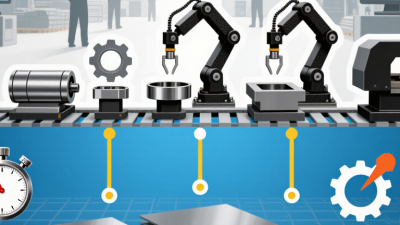
A metal component rarely takes shape in one step. Metal fabrication processes transform raw sheet, plate, tube, or bar into useful parts through cutting, forming, joining, and finishing. The sequence matters. A thin stainless-steel enclosure may require laser cutting, press-brake forming, and careful welding. A structural bracket may call for shearing, punching, and protective coating. Small details matter. Burrs, heat distortion, and rough edges can affect fit, appearance, or performance.

This guide explores the top processes, including their typical uses, advantages, and practical limits. It also considers how material type, thickness, tolerances, production volume, and available equipment influence process selection. Industrial engineer Shigeo Shingo warned, “The most dangerous kind of waste is the waste we do not recognize.” That idea applies when a shop chooses a familiar method without checking its cost, rework, or material loss. A fast cut may still leave extra finishing. A strong weld may distort a thin panel. There is no perfect route for every part. Some trade-offs are easy to miss. The sections ahead compare common techniques and explain what to consider before production begins. The goal is not to name one universal winner, but to show how informed choices produce parts that fit, function, and can be made consistently.

What Are the Top Metal Fabrication Processes?

Preparing Materials for Fabrication

Before cutting or forming, confirm the material grade, thickness, and condition against the job documents. A mismatch can affect strength, weldability, and finished dimensions. Small details matter. Check for rust, oil, scale, deep scratches, and damaged edges. These can interfere with welding or hide defects. Use a micrometer or caliper to verify thickness, and a straightedge to spot bowing or uneven stock.

Keep materials identified as they move through the shop. Marking each piece with its grade or job reference helps prevent mix-ups after cutting. Check the grain direction when the part’s appearance or forming behavior depends on it. Remove burrs where they could affect fit-up, measurement, or safe handling. Clean only as much as the next operation requires; overly aggressive preparation may remove useful material or alter a surface. A common oversight is assuming a delivery certificate proves every piece is correct. Verify critical dimensions on the actual stock. Even careful checks can miss a flaw, so record concerns and pause before processing questionable material.

Cutting Metal to Shape

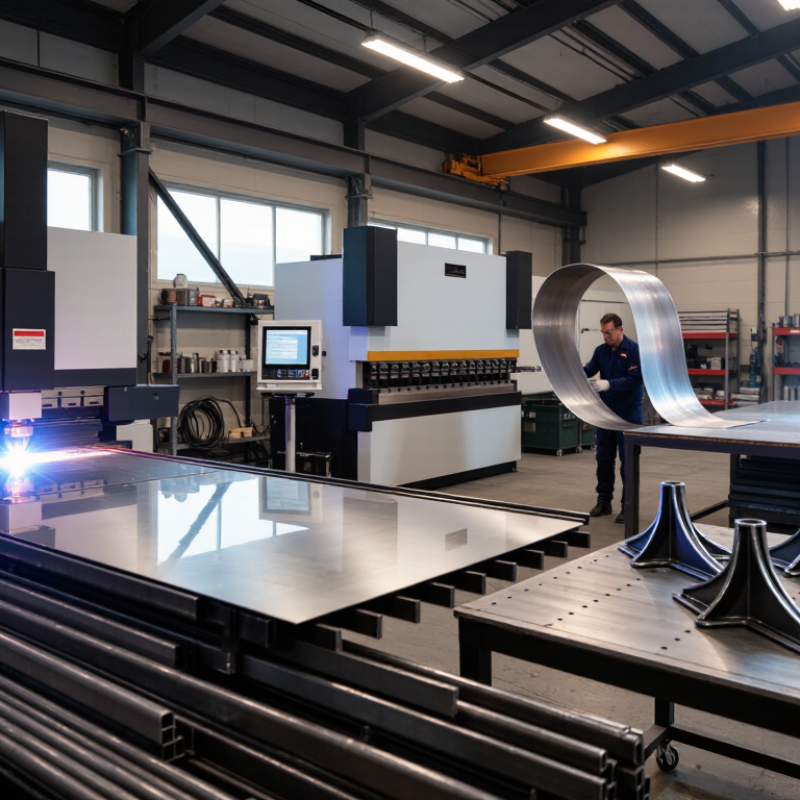
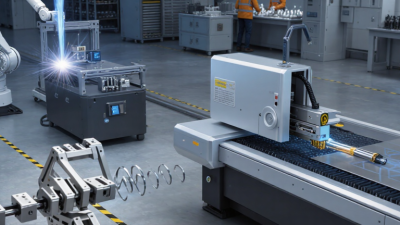
Cutting turns sheet, plate, or tube into the pieces a fabrication job requires. The best method depends on material, thickness, edge quality, and production volume. A thin aluminum panel may suit a laser, while thick plate may call for plasma or sawing. Waterjet cutting can avoid a heat-affected edge, though it may take longer. There is no universal winner.

Before cutting, technicians check dimensions, material condition, and the drawing’s tolerances. A laser can make precise, repeatable cuts on suitable metals. Plasma handles thicker conductive materials efficiently, but its edge may need extra cleanup. Shears cut straight lines quickly, yet they cannot create every shape. Small details matter: a narrow slot can warp, and a rough edge can interfere with a later weld.

The cut part still needs inspection. Workers may remove burrs with a deburring tool, then compare key dimensions with calipers. Even careful setups can leave a slightly rough edge or a part that needs adjustment. That is worth noticing, not hiding; real material does not always behave exactly like a drawing. Heat, clamping, and tool condition can all affect the result. A clean cut begins with a suitable process and ends with a measured part.

Forming Metal Through Bending and Shaping

What Are the Top Metal Fabrication Processes?
Forming Metal Through Bending and Shaping

Metal forming reshapes sheet, plate, or coil without removing much material. Common methods include press-brake bending, stamping, and roll forming. A press brake pushes metal between a punch and die, creating precise angles for brackets, enclosures, and frames. Roll forming feeds a long strip through successive rollers to produce consistent profiles. Small changes matter.

The right method depends on material, thickness, geometry, and production volume. Springback—the metal’s tendency to partially return toward its original shape—can shift a bend angle after pressure is released. Skilled operators compensate by adjusting tooling and bend settings, then checking the first part against the drawing. World Steel Association’s World Steel in Figures 2025 reports 1,882.6 million tonnes of crude steel production in 2024. That figure shows the scale of steel supply, though only a portion goes into formed products. Forming is efficient, but it is not foolproof.

Tips: Confirm material grade and thickness before setting up. Make a test bend, measure the angle, and inspect the edge for cracking. Keep a record of successful settings for repeat jobs. It sounds simple. In practice, setup notes can be incomplete, and that is worth improving. Avoid assuming two sheets will behave alike; coatings, grain direction, and material variation can affect the result.

What Are the Top Metal Fabrication Processes? — Forming Metal Through Bending and Shaping

Common forming methods, their typical capabilities, and where they are used. Thickness ranges are indicative; actual limits depend on the alloy, part geometry, tooling, and machine capacity.

Process How It Shapes Metal Typical Stock and Capability Strengths Key Considerations Common Applications
Press Brake Bending A punch presses sheet or plate into a die to create straight bends and angled profiles. Sheet and plate, often about 0.5–25 mm thick, depending on material and press capacity. Flexible for prototypes and short-to-medium production runs; tooling can be changed for different bend profiles. Bend allowance, springback, minimum flange length, and bend radius must be considered in the part design. Brackets, cabinets, enclosures, channels, panels, and structural components.
Roll Bending Three or more rollers gradually curve sheet or plate into cylindrical or conical forms. Thin sheet through heavy plate; achievable thickness and diameter vary substantially with machine size. Produces long, smooth curves and large-radius shapes with relatively consistent curvature. May leave a flat section at the leading and trailing edges; pre-bending or trimming may be needed. Tanks, cylinders, pipes, pressure-vessel shells, and curved architectural panels.
Stamping and Forming A press and matched dies cut, bend, or draw sheet metal in one or more operations. Usually sheet metal; thickness commonly ranges from fractions of a millimeter to several millimeters. High production rates and repeatable parts once the tooling is set up. Dedicated dies can require significant upfront investment; economical mainly at suitable production volumes. Automotive panels, appliance parts, brackets, clips, and electronic enclosures.
Deep Drawing A punch pulls a sheet-metal blank into a die cavity to create a cup-shaped or box-shaped part. Thin, ductile sheet; practical draw depth depends on material properties, blank size, and draw sequence. Can make seamless hollow parts with useful depth and consistent wall geometry. Blank-holder force, lubrication, and draw ratio need control to reduce wrinkling and tearing. Metal containers, sinks, housings, cookware, and automotive components.
Stretch Forming Sheet or extruded material is held under tension and formed over a shaped tool. Most often used for sheet and profiles that need broad, smooth curves. Creates large, gradual contours with relatively low springback and limited wrinkling. Requires suitable stretching equipment and is less suited to sharp corners or highly detailed features. Aircraft skins, architectural cladding, vehicle panels, and curved structural profiles.
Metal Spinning A rotating blank is pressed against a mandrel with a roller to form an axisymmetric shape. Thin sheet and some ductile plate; part size depends on the spinning machine and tooling. Often uses relatively simple tooling and can be effective for prototypes and small-to-medium batches. Best suited to round, rotationally symmetric parts; wall thinning and surface finish require process control. Cones, domes, reflectors, funnels, and round covers.
Hydroforming Pressurized fluid forces sheet or tubular metal against a die to create a complex shape. Thin sheet or metal tubing; material and part size depend on the equipment and forming pressure. Can form complex shapes with fewer joints and, in some applications, fewer separate components. Requires specialized equipment and careful control of pressure, material flow, and sealing. Automotive structural parts, tubular frames, manifolds, and complex hollow components.

Joining Components by Welding and Fastening

Welding and fastening turn separate metal parts into a working assembly, but the best choice depends on access, material, and future maintenance. Welding creates a continuous joint and can keep an assembly compact. Before welding, clean the mating edges and check the fit. A small gap can pull a thin panel out of shape as heat builds. Tack welds and clamps help hold alignment, though they do not replace careful measurement. Short, balanced welds often reduce distortion on sheet metal. Fit matters.

Fasteners suit joints that may need inspection or replacement. Bolts and screws can join dissimilar components without heating them, but holes must be placed accurately. Burrs left around a drilled hole can prevent parts from seating flat. For vibrating equipment, use an appropriate locking method and check the specified tightening torque. Small gaps matter. Corrosion can also develop where moisture collects between overlapping plates, so drainage and compatible materials deserve attention. A drawing may show a neat joint, yet shop fit-up can reveal tool-access problems. That detail is easy to miss, and it is worth reviewing before parts are cut.

Finishing and Inspecting Fabricated Parts

After cutting, bending, or welding, fabricated parts often need finishing before they are ready for use. Deburring removes sharp edges that can injure workers or interfere with assembly. A file or abrasive wheel may work for a small bracket, while larger batches can require more consistent methods. The part should feel smooth, not rounded beyond its design.

Surface treatment depends on the material and its working environment. Steel parts may be cleaned and coated to limit corrosion; aluminum may need a suitable conversion or anodized finish. Mask threads and mating surfaces when coating thickness could affect fit. A tiny buildup can matter. Finishing also creates risks: aggressive grinding can thin an edge, and heat can distort a narrow panel. I have seen a part look polished but fail to sit flat.

Inspection should happen throughout production, not only at the end. Use calipers to check critical dimensions, and a square or gauge to verify alignment. For welded assemblies, inspect for visible cracks, porosity, and incomplete joins; visual checks cannot reveal every internal flaw. Record measurements and note any rework. Lighting matters. So does a clean surface. If a dimension is repeatedly close to its tolerance limit, the process may need adjustment, even when the part technically passes.

Translate