Why Choose Plasma Cutting Technology for Metal Fabrication?
Metal fabrication depends on clean cuts, dependable schedules, and sensible operating costs. Plasma cutting technology can help shops meet these demands by using an electrically conductive gas to cut metal. For a fabricator working with steel plate, stainless steel, or aluminum, that process can turn a marked layout into usable parts without lengthy setup. The arc moves quickly. It also handles curves and interior openings that would be difficult to produce with a torch alone.
The benefits are practical, not automatic. A properly selected plasma system can cut a range of thicknesses, while a CNC table can repeat shapes across a production run. Operators still need to choose suitable amperage, cutting speed, and consumables. A worn nozzle may leave a rough edge or excess dross. Small details matter. Good ventilation, eye protection, and regular equipment checks are essential parts of responsible shop practice.
Plasma cutting is not the best answer for every job. Very thin sheet may require a different process for a cleaner finish, and tight tolerances can call for secondary machining. Those limits deserve attention before a purchase. Yet for many general fabrication tasks, plasma offers a useful balance of speed, flexibility, and cost. Understanding how it works—and where it falls short—helps fabricators decide whether it fits their materials, workflow, and quality requirements.
What Plasma Cutting Is and How It Works
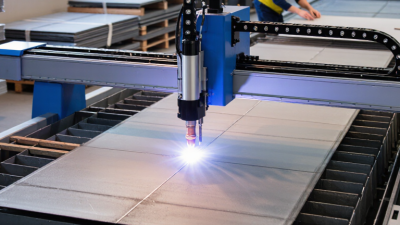
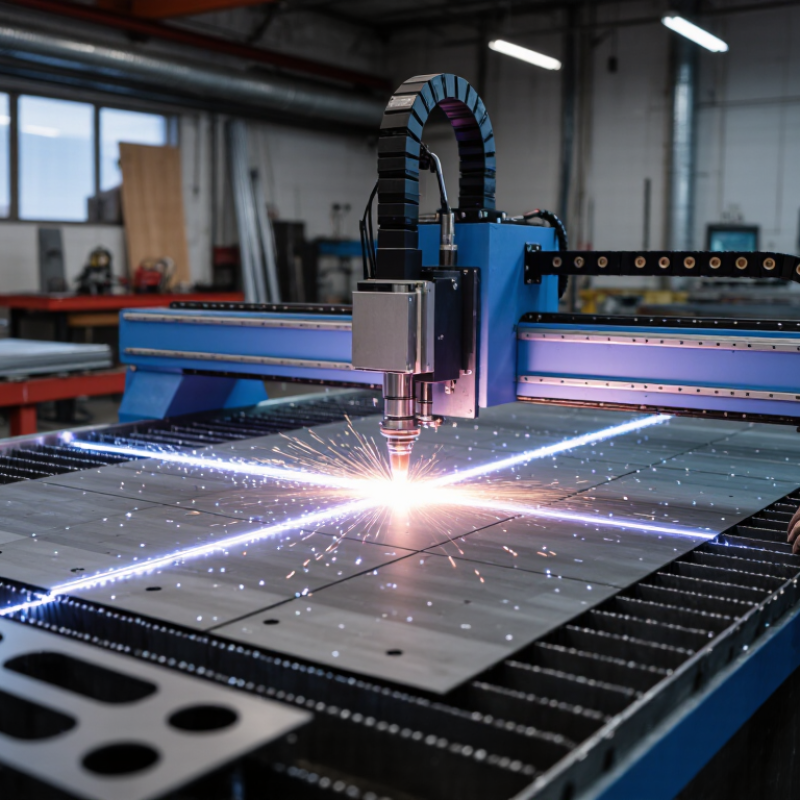
Plasma cutting uses an electrically conductive gas to create a focused cutting arc. A power source sends current between an electrode and the metal workpiece. Gas passes through a narrow nozzle, where the arc becomes constricted and intensely hot. The resulting jet melts the metal and blows molten material out of the cut. The workpiece must conduct electricity, so the process suits steel, stainless steel, and aluminum, but not wood or plastic. It happens fast.
The Welding Institute’s technical guidance reports plasma-arc temperatures near 20,000°C, illustrating why the jet can cut thick plate as well as thin sheet. The American Welding Society’s Welding Handbook describes the same concentrated-arc principle used in plasma-arc cutting. In practice, operators set current, gas flow, torch height, and travel speed for the material. A torch moving too slowly may leave dross beneath the edge; moving too quickly can produce a slanted cut. There is a trade-off. The kerf is narrow, but the heat can still discolor nearby metal or distort thin parts. A clean-looking cut is not guaranteed: consumable condition, grounding, and machine setup all matter. TWI and AWS provide useful technical references, though actual results depend on the cutting system and material thickness.
Key Advantages of Plasma Cutting in Metal Fabrication
Plasma cutting suits shops that need quick, flexible cuts in electrically conductive metals. TWI’s technical guidance places plasma-jet temperatures at roughly 20,000°C. The concentrated heat helps cut steel, stainless steel, and aluminum without preheating. On thin and medium-gauge plate, this can mean less waiting between parts. The trade-off is real: a fast cut can still leave dross or a heat-affected edge.
A narrow kerf helps produce detailed profiles, such as bracket slots and curved panels, while limiting material waste. ISO 9013:2017 sets measurable quality criteria for thermal cuts, including perpendicularity and surface roughness. Those criteria help teams inspect edges consistently rather than relying on appearance alone. Still, plasma cutting is not ideal for every job; thick plate, tight tolerances, or finish-sensitive edges may require another process or additional machining.
Tips: Match amperage and consumables to the material thickness. Keep the torch square, and test a short cut before production. Record the settings. Small setup errors can spoil an otherwise clean edge.
Why Choose Plasma Cutting Technology for Metal Fabrication? - Key Advantages of Plasma Cutting in Metal Fabrication
| Fabrication Consideration |
Plasma Cutting |
Why It Matters |
| Suitable materials |
Electrically conductive metals, including mild steel, stainless steel, and aluminum |
One process can handle several common metal types without relying on oxidation to make the cut. |
| Thickness range |
Suitable systems cut thin sheet through substantial plate; practical capacity depends on power, material, and required edge quality. |
It can cover a broad range of shop work, but the machine’s rated capacity should be checked for the intended cut quality. |
| Cutting speed |
Generally fast on conductive sheet and plate, particularly compared with oxy-fuel cutting on thinner materials. |
Faster cutting can improve throughput; actual speed varies with thickness, amperage, consumable condition, and cut settings. |
| Material compatibility compared with oxy-fuel |
Cuts conductive metals such as stainless steel and aluminum as well as mild steel. |
Oxy-fuel cutting is primarily used for carbon steel and is not suitable for cutting aluminum or stainless steel in the same way. |
| Heat-affected zone |
A thermal process that creates a heat-affected zone; its size depends on the material, thickness, and cutting parameters. |
For heat-sensitive or precision work, account for possible distortion and any required finishing. |
| Equipment and operating costs |
Can be used in portable manual setups or mechanized systems; operating costs include electricity, compressed air or gas, and consumables. |
The range of system sizes makes plasma adaptable to different shop needs, while consumable life and maintenance affect total cost. |
| Edge quality and precision |
Produces a usable cut edge for many fabrication tasks; precision varies by system, torch condition, material, and motion control. |
For tight tolerances or minimal finishing, compare the process with laser or waterjet cutting for the specific job. |
| Best-fit applications |
General metal fabrication, repair work, profiles, brackets, and production cutting of conductive metals. |
Plasma is a practical choice when a shop needs versatile metal cutting and a balance of speed, capacity, and equipment cost. |
Note: Cutting capacity, speed, edge quality, and operating cost vary by machine, material, thickness, and process settings. Confirm specifications with the equipment manufacturer for the intended application.
Metals and Projects Suited to Plasma Cutting
Plasma cutting suits electrically conductive metals, especially carbon steel, stainless steel, and aluminum. It works well on flat sheet and plate used for equipment guards, brackets, duct sections, and machine frames. The World Steel Association’s World Steel in Figures 2024 reports that global crude steel production reached 1,888.2 million tonnes in 2023. That scale reflects steel’s broad presence in fabrication shops, though it does not mean every steel part is a good plasma-cutting job.
For practical projects, plasma is useful when parts need quick profiles, slots, or holes without extensive tooling. A workshop might cut a 6 mm steel gusset, then clean its edge before welding. Thicker plate can also be cut, depending on the power source, material, and required edge quality. Still, it is not magic. Thin sheet may warp from heat, and small details can lose accuracy if the cut width is not allowed for. Stainless steel and aluminum are suitable, but their reflective surfaces, heat behavior, and finishing needs call for careful setup. For very fine features or minimal heat distortion, another process may be a better fit. The honest choice depends on the drawing, material thickness, and how the finished edge will be used.
Why Choose Plasma Cutting Technology for Metal Fabrication?
Metals and approximate melting temperatures of common conductive materials suited to plasma cutting
Plasma cutting can process electrically conductive metals, including steel, aluminum, copper, and brass. The temperatures shown are representative approximate values; actual melting points vary by alloy and composition. Material choice and achievable cut quality also depend on thickness and equipment.
Plasma Cutting Compared with Other Cutting Methods
Plasma cutting earns its place in metal fabrication because it balances speed, flexibility, and equipment cost. It cuts electrically conductive metals, including steel, stainless steel, and aluminum. Compared with mechanical sawing, it can follow curved profiles without changing tools. Compared with laser cutting, plasma is often practical for thicker plate, though its kerf is wider and its edge may need more cleanup. On thin sheet, laser usually delivers finer detail.
Tips: Match the torch consumables and amperage to the material thickness. Keep the workpiece ground connection firm, and check the cut height before starting. A few test cuts reveal more than a perfect-looking setup screen.
Oxyfuel cutting can be economical on thick carbon steel, but it is not suited to aluminum or stainless steel in the same way. Plasma handles those materials, but it can leave dross, heat distortion, or a beveled edge if travel speed and torch angle are off. I have seen a small height error spoil an otherwise usable edge. That is easy to overlook. Choose by material, thickness, tolerance, and finishing needs—not speed alone.
Factors to Consider When Choosing Plasma Cutting
Choosing plasma cutting starts with the parts you actually make. A shop cutting 6 mm mild-steel brackets has different needs from one profiling thick plate all day. Check the machine’s rated cut thickness, but compare it with the recommended production thickness too. Maximum ratings may mean rougher edges and slower travel. Plasma cuts electrically conductive metals, including steel, stainless steel, and aluminum. It is less suitable when heat distortion or a very narrow kerf is unacceptable. That distinction matters.
Tips: Test a sample using your own material and thickness before buying. Inspect the edge for dross, bevel, and heat tint, then measure the kerf on a small coupon. Confirm the electrical supply, air quality, fume extraction, and consumable availability. Clean, dry compressed air helps maintain a stable arc. Easy to overlook. I would not judge a system from one clean demonstration cut; production work is less forgiving.
Consider workflow and total ownership costs. Handheld units suit repair work and varied cuts, while CNC tables improve repeatability on nested profiles. Factor in torch height control, software, service access, electrode and nozzle life, and downtime. Ask operators how quickly they can set up jobs and replace consumables. A fast cut is not automatically a good cut. For tight-fitting parts, verify tolerances across several runs, not just one sample.